Quick Answer:
If the sink started gurgling right after the remodel, it’s likely a change to the drain or venting was made during the work. Start with simple checks you can do from the floor level: confirm when the noise began, test other fixtures, and try basic drain and vent tests. If those checks point to a rerouted or blocked vent or a poorly pitched drain, call a plumber rather than guessing at a permanent fix.
Why This Happens
Gurgling is air moving through the drain system. A remodel can change pipe runs, combine drains, or block a vent. Common causes after work include:
- New walls or cabinets covering a vent or cleanout.
- A drain re-pitch that allows traps to siphon when another fixture runs.
- A shared drain line that now connects differently and pulls air from your sink when other fixtures run.
Look for patterns. For example, a sink that gurgles only when another fixture runs is different from a sink that gurgles all the time. If you see signs of other fixture interference, check posts or articles like Sink gurgles when shower runs or situations similar to Bubbles appear after long vacation for related causes and tests.
Step-by-Step What to Do
Step 1 — Confirm timing and scope
- Confirm the gurgling began only after the remodel changes. Note the first day you heard it and what work was done nearby.
- Check whether the noise happens when only the sink runs, when other fixtures run, or all the time.
Step 2 — Test other fixtures
- Run the shower and then run the sink. Does the sink gurgle when the shower runs? That suggests a shared drain or venting interaction.
- Flush nearby toilets and run other sinks to see if the behavior is isolated.
Step 3 — Basic sink checks you can do safely
- Fill the sink with water, then let it drain. If gurgling happens as it empties, the trap may be siphoning or venting is inadequate.
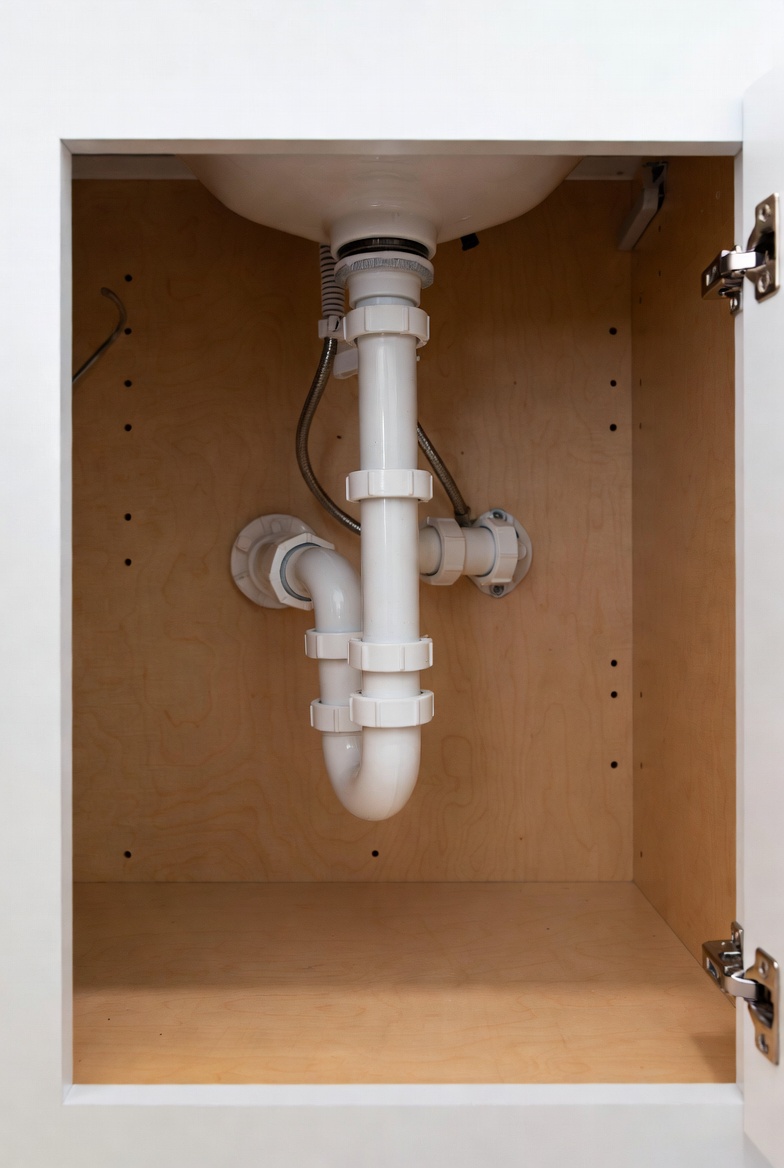
- Remove and inspect the P-trap if you’re comfortable: check for clogs or misalignment. Only do this if the cabinet and pipes are dry and you have a bucket and gloves.
Step 4 — Check visible vents and cleanouts
- Look for new drywall or cabinet work that may have cut the vent pipe or blocked a cleanout access. Take photos of the affected area and the remodel work.
- If the roof vent is accessible and you are comfortable and safe doing so, you can look for obvious debris; otherwise, leave roof work to a professional.
Step 5 — Talk to the remodeler or review plans
- Ask the contractor what plumbing changes were made and whether any vents were rerouted, capped, or run behind new framing.
- Request plumbing diagrams or photos of the work area before drywall went up.
Step 6 — If tests point to venting or rerouted pipes, plan the next move
- If simple fixes don’t stop the gurgling and the remodel likely changed venting or drain routing, call a licensed plumber to diagnose with proper tools (camera, smoke test, pressure tests).
What Not to Do
- Do not cover a remodel venting issue by just snaking blindly. If the problem is venting or rerouting, snaking the sink may only mask a symptom and not fix the underlying routing or vent problem.
- Don’t assume the remodel contractor fixed venting unless they show documentation. Don’t remove roof vent caps without proper safety precautions or experience.
- Avoid making major cuts into drywall or tearing out sections without confirming where plumbing runs are located.
When to Call a Professional
- The gurgling continues after the basic checks and is linked to other fixtures running.
- There is a sewer smell, slow drains in multiple fixtures, or backups.
- The remodeler indicates pipes or vents were rerouted, capped, or enclosed in new construction.
- You need a roof vent inspected or a camera inspection of drain lines—these require tools and permits in some areas.
Safety Notes
- Don’t climb onto the roof alone. If you must access a roof vent, use a stable ladder and a second person for safety or hire a pro.
- When removing a P-trap, wear gloves and eye protection and have a bucket handy for wastewater.
- Be cautious of sewer gas odors—if strong odors are present, ventilate the area and call a professional immediately.
- If the remodel involved gas lines or major structural changes, stop and consult licensed tradespeople rather than attempting repairs yourself.
Common Homeowner Questions
- Why did the sink start gurgling after drywall went up? — The vent or cleanout may have been blocked or a vent pipe rerouted during the remodel.
- Can I fix gurgling by myself? — You can run simple tests and inspect the P-trap, but venting or reroute issues usually need a plumber.
- Will the remodeler pay for repairs? — If changes they made caused the issue, discuss the problem with them and request documentation or remediation; if uncertain, get a professional assessment first.
For more related articles, see the Bathroom Sink Gurgling & Bubbling hub.