Quick Answer:
If a sink used by several people keeps clogging from hair, start with a removable strainer and a simple log of users and grooming habits. Clear the trap and run a manual snake if needed. Track who uses the sink and how (brushing, shaving, hair washing) to spot patterns. If clogs persist after cleaning and tracking, call a plumber.
Why This Happens
- Multiple people create mixed loads of hair, body oils, and product residue. Those combine and stick to the pipe walls faster than hair from a single user.
- Different grooming routines—hair brushing over the sink, shaving, or rinsing conditioner—drop varying types of debris into the drain. Tracking users and routines shows which habits line up with clogs.
- Soap and product residue can bind hair into larger clumps. If you notice buildup that smells or forms a film, it can behave like a glue and cause recurring problems. See Soap scum clogging sink repeatedly for more on that type of buildup.
- Low-flow fixtures, shallow traps, or a partially blocked pipe downstream make small amounts of hair gather into a full clog.
Step-by-Step What to Do
1. Start a short usage log
For 1–2 weeks, note how many people use the sink each day and what they do: brushing, shaving, washing long hair, rinsing products. Keep entries simple—date, user count, and any heavy grooming. That data helps you and others change habits that cause most of the debris.
2. Fit a removable strainer and clean it daily
- Buy a low-cost stainless or silicone sink strainer that sits in the drain opening. Empty it into the trash after each use or at least daily.
- Make it part of the bathroom routine: ask users to check the strainer after grooming.
3. Remove and clean the stopper and trap
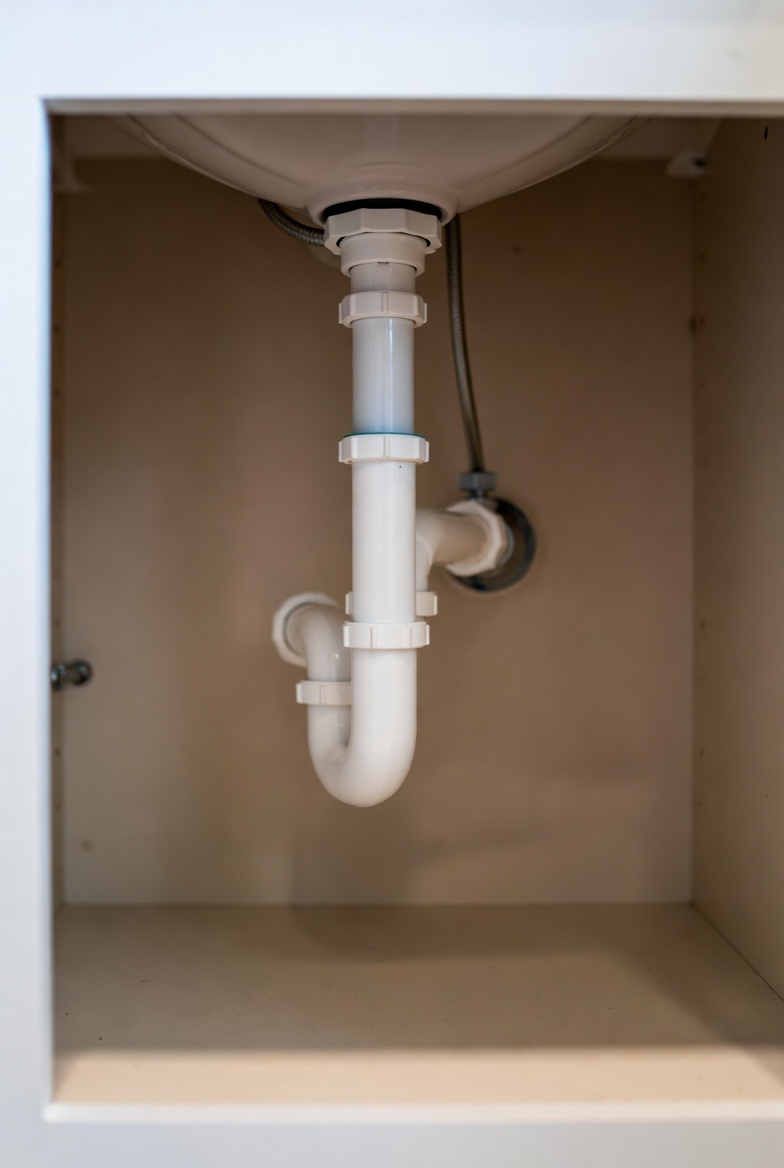
- Clear hair from the stopper and the U‑bend (P‑trap). Place a bucket beneath the trap, loosen the fittings by hand or with channel pliers, and remove trapped debris. Dispose of material in the trash, not back down the drain.
- If you’re uncomfortable with this, skip to “When to Call a Professional.”
4. Use a manual snake or zip tool
For clogs beyond the trap, feed a handheld drain snake or zip-it tool into the drain to pull out hair. Work gently to avoid pushing the clog farther in.
5. Flush with hot water regularly
After removing hair and debris, run hot tap water for a minute to help clear remaining residue. Do this once or twice a week as preventive maintenance.
6. Reassess routines and communicate
- Share the usage log results with everyone who uses the sink. Ask people to avoid rinsing large amounts of loose hair down the drain—brush over a trash can or use a hand-held vacuum for hair clippings.
- If clogs come back on a predictable schedule, it may be tied to a specific routine. If the clog returns quickly after cleaning, read more about Clog returns after a few days.
What Not to Do
- Do not assume one user is solely responsible.
- Do not pour strong chemical drain cleaners into the sink if you plan to work on the trap or use a snake; they can cause burns and damage pipes, and mixing chemicals is dangerous.
- Do not use a screwdriver, coat hanger, or other improvised tools to reach into drains; those can damage the finish or push clogs deeper.
- Do not flush large clumps of hair or paper products down the sink to test if it clears—the clog can worsen.
When to Call a Professional
- If clogs return right after you clear them or affect multiple fixtures (sink and shower), the blockage may be farther in the main line or a venting issue.
- If you smell sewage, have slow drainage across the house, or water backs up into other fixtures, call a plumber promptly.
- If you’re uncomfortable disassembling the trap or using a snake, a plumber can clear the line safely and inspect for pipe damage.
Safety Notes
- Wear gloves and eye protection when working on drains to avoid contact with wastewater and cleaners.
- If you used chemical cleaners recently, ventilate the room and avoid working on the trap until chemicals have been flushed and neutralized.
- Turn off power to any nearby electric devices (e.g., electric razors) before working in wet areas to reduce shock risk.
Common Homeowner Questions
- Why track users and routines? It shows patterns so you can change the specific habits that cause most clogs.
- How often should I clean the strainer? Daily or after any heavy grooming session; at minimum, empty it every few days.
- Are chemical cleaners okay for hair clogs? They can work but often damage pipes and are unsafe around other cleaners; manual removal is preferred.
For more related articles, see the Recurring Hair & Soap Buildup Cycles hub.