Quick Answer:
If your sink looks like it drains, then the water suddenly surges up toward the overflow, stop running water and remove standing water. That pulsing and surge often means air trapped by a partial blockage or a venting problem is compressing and pushing water back. Try basic checks: bail water away, observe for pulsing, clear the strainer or pop-up, and use a plunger. If the problem continues, call a plumber—especially if multiple fixtures act up or sewage is present.
Why This Happens
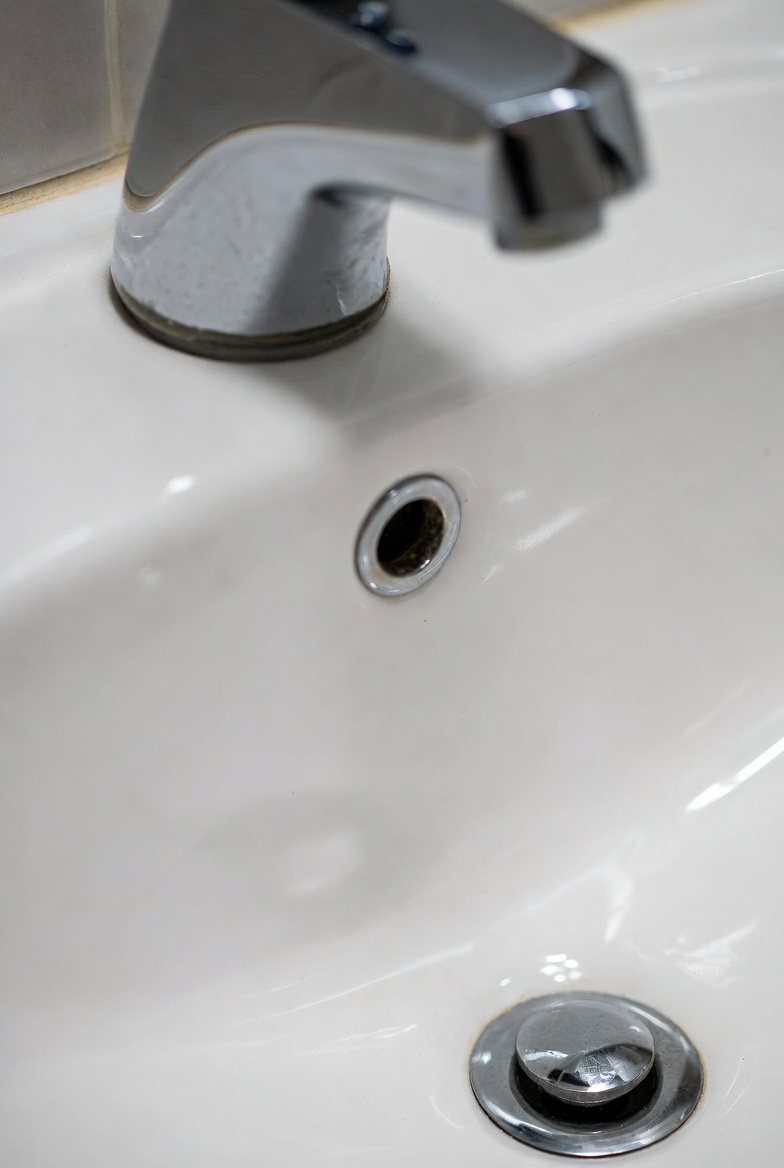
A sink that drains briefly and then forces water toward the overflow is usually reacting to pressure changes in the drain line. A partial clog farther down the pipe or a blocked vent can trap air. As water moves past the restriction, air pockets compress and then release, producing a pulse that pushes water back up the sink. The overflow is simply an easy path for that pressured water to appear, so it looks like the surge is coming out of nowhere.
Step-by-Step What to Do
1. Stop the flow immediately
- Turn off the faucet. Do not keep running water when you see pressure surges toward the overflow.
- Shut any nearby valves if the faucet doesn’t stop completely.
2. Remove the water near the overflow
- Use a cup and a towel or a small wet/dry vac to remove standing water so you can see what happens next and avoid spills onto counters or floors.
3. Look for pulsing water level changes indicating trapped air pressure
- Watch the water level for a few minutes. A rhythmic rise and fall or sudden surge is a sign air is compressing and releasing in the line.
- Note whether any other fixtures gurgle when the surge happens—this suggests a shared drain or vent issue.
4. Check the stopper and strainer
- Remove hair and debris from the sink strainer and the pop-up stopper. Simple clogs near the sink often cause downstream pressure effects.
5. Try a plunger safely
- Use a sink plunger and make a good seal. If the sink has an overflow, block it with a wet cloth so the plunger can build pressure.
- Pump steadily and check whether the pulsing stops and the water level stabilizes.
6. Inspect the P‑trap if comfortable doing so
- Place a bucket underneath, loosen the slip nuts and inspect the trap for blockages. Clean it and reassemble carefully.
- If you recently had plumbing work done, review any recent changes—see Sink stops draining after repair for possible links to this behavior.
7. If it drains then returns to the same level
- That can mean the blockage is deeper in the branch or main line. A plumber’s auger or camera may be needed—compare symptoms with Sink drains then fills back up.
What Not to Do
- Do not keep running water if pressure surges toward the overflow.
- Do not pour strong chemical drain cleaners into a sink that is actively surging—chemicals can splash back and are unsafe if the issue is beyond the trap.
- Do not climb onto the roof to check vent pipes unless you are trained and have proper safety gear; this is often best left to a professional.
- Do not stick your hand deep into standing sewage or exposed drainpipe without gloves and appropriate precautions.
When to Call a Professional
- If plunging and cleaning the trap don’t stop the surges.
- If multiple fixtures gurgle or back up at the same time—this suggests a main sewer or vent problem.
- If you smell sewage, see raw sewage, or notice persistent slow drainage despite your efforts.
- If you’re uncomfortable removing the trap or working with tools; a plumber can run a camera inspection and clear deeper blockages safely.
Safety Notes
- Wear gloves and eye protection when removing debris or opening traps. Have a bucket and towels ready for spills.
- Avoid chemical cleaners when the cause is unclear; they can create hazardous splashes and damage pipes.
- If you must use a plunger, block the overflow so pressure builds properly and reduces repeated surging.
- Do not attempt rooftop vent work without fall protection and experience; vent problems are often best handled by a licensed plumber.
Common Homeowner Questions
- Why does my sink surge only sometimes? Partial clogs or trapped air can shift position with water flow, so the issue can appear intermittently.
- Can I clear this with a chemical drain cleaner? Not recommended—chemicals may not fix a vent or deep blockage and can be dangerous if the problem involves sewage or pressure.
- How fast should I call a plumber? Call if plunging and trap cleaning don’t resolve it, if multiple fixtures are affected, or if you detect sewage or strong odors.
For more related articles, see the Sink Drains Then Suddenly Stops hub.