Quick Answer:
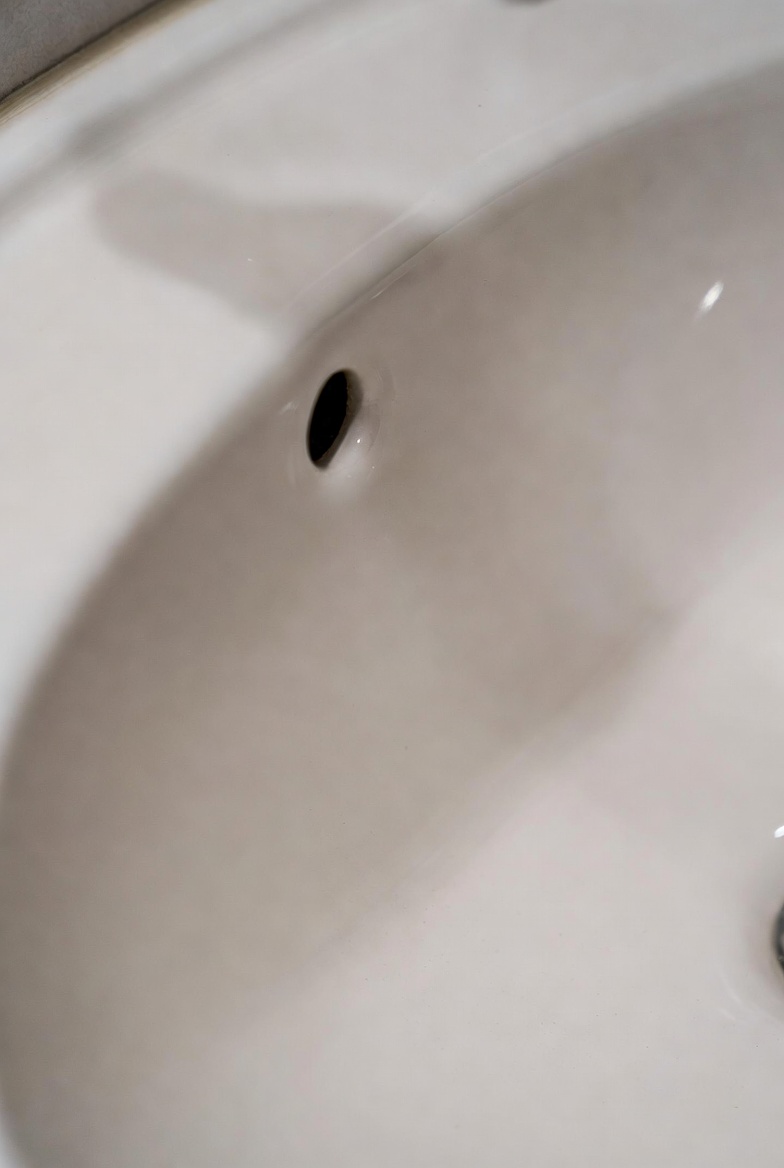
If water goes down the sink but then rises into the overflow, you likely have a partial clog or a venting problem further down the line. Stop using the fixture, check the overflow opening for rising water during backup, then try simple clearing steps (plunger, clean trap, snake). If you can’t clear it quickly or sewage is involved, call a pro.
Why This Happens
When a sink initially drains but then the level climbs into the overflow, the drain is partially blocked somewhere past the sink trap or the house venting isn’t allowing air to flow. That forces water to find the overflow as the easiest escape path. Common causes:
- Hair, grease or soap scum partially blocking the P-trap or branch drain.
- Debris or a buildup farther down the pipe, especially where multiple fixtures join.
- Vent stack blockage or slow main sewer flow, causing slow drainage and backpressure.
- Garbage disposal jams or failing disposal seals that let solids pass into the line.
Also watch related symptoms. If you see **Sink only stops when hot water used**, that points toward grease hardening in the line. If you notice **Sink drains then sludge appears**, suspect accumulated organic material or a compromised sewer feed.
Step-by-Step What to Do
1. Stop and protect the area
- Turn off the faucet. Remove items from under the sink and place a towel or bucket where overflow might run into the cabinet.
- If you smell sewage or see stool-like water, stop and call a professional—this is a sewer backup, not a regular clog.
2. Check the overflow opening
- Fill the sink a few inches and let it drain while watching the overflow opening. Check the overflow opening for rising water during backup—if water appears there, the blockage is downstream or the vent is restricted.
- Stop the test if the overflow begins to spill.
3. Clear the P‑trap
- Put a bucket under the trap, loosen the slip nuts, and remove the P-trap. Clean out hair and gunk and inspect the trap for damage. Reassemble and test drainage.
- If removing the trap clears the problem, you likely had a local clog. If water still backs up into the overflow, the blockage is farther down.
4. Try a plunger or hand auger
- With the overflow covered (use a wet rag), plunge the sink using a cup plunger to build pressure. Work in short bursts and check the overflow opening frequently.
- If plunging doesn’t work, feed a small hand auger (closet auger or 1/4–3/8″ drain snake) into the tailpiece and branch drain. Do not force the snake; rotate gently and pull debris back out.
5. Test and observe
- Run water to confirm the drain clears. Watch the overflow opening during the test. If water still appears in the overflow, stop and move to the next step.
- If clearing fails or you suspect the main sewer, avoid further DIY and call a professional.
What Not to Do
- Do not let overflow water spill—stop the test early.
- Do not pour large amounts of chemical drain cleaner into a backed-up sink; it can damage pipes and create hazardous reactions if mixed with other chemicals.
- Do not remove or force aside plumbing parts without a bucket and basic knowledge—this can create a bigger mess or damage seals.
When to Call a Professional
- Water from the overflow is sewage-colored or foul-smelling.
- Multiple fixtures are backing up at once (bathtub, toilet, sinks)—likely a main sewer problem.
- You cannot clear the blockage with basic tools, or snaking sends debris but the overflow still fills.
- There’s visible damage to pipes, persistent leaks, or repeated clogs.
Safety Notes
- Wear gloves and eye protection when working under the sink or using a snake.
- Use a bucket and towels to contain spills; waste water can carry bacteria.
- Avoid mixing drain chemicals; if chemicals were used previously, ventilate and be cautious opening traps.
- If you suspect sewer backup, leave the area and call a professional—do not try to handle raw sewage yourself.
Common Homeowner Questions
- Why does the overflow fill instead of the sink? – It fills when the main drain can’t accept the water fast enough, so water backs up into the overflow path.
- Will a plunger damage my sink or pipes? – No, a cup plunger used correctly is safe for most sinks; just seal the overflow while plunging for best results.
- Can I prevent this from happening again? – Regularly remove hair and grease, avoid pouring fats down the drain, and clean the P-trap every few months.
For more related articles, see the Sink Drains Then Suddenly Stops hub.