Quick Answer:
If your sink slows or stops shortly after shaving, hair and soap scum have likely formed a mat in the trap or just past it. Start by removing the P‑trap and inspecting it for trapped hair and soap build-up. Clear the trap by hand or with a small brush, reassemble, and test the drain. If the clog is farther down or keeps coming back, call a plumber.
Why This Happens
- Shaved hair is short and slippery, and it mixes with soap, shampoo and shaving cream to form a sticky mat that catches more debris.
- The P‑trap (the curved pipe under the sink) is the first place that matter accumulates because the bend naturally slows water and traps solids.
- If a clog is pushed past the trap, you may need a short auger or to clear the trap arm; if multiple fixtures are affected or pressure changes occur, see Drain stops when second fixture runs.
- Small changes to sink fixtures sometimes shift flow and reveal existing blockages—if the slowdown started after a hardware change, check relevant parts or consult the guide titled Sink stops draining after faucet replacement.
Step-by-Step What to Do
1. Stop using the sink and gather basic tools
- Put on disposable or rubber gloves and eye protection.
- Have a bucket, adjustable pliers, a small brush or old toothbrush, and rags ready.
2. Clear the stopper and visible drain area
- Remove the pop-up stopper or strainer—hair often catches there. Clean any visible debris by hand or with the brush.
- Run a small amount of water to see if flow improves before removing pipes.
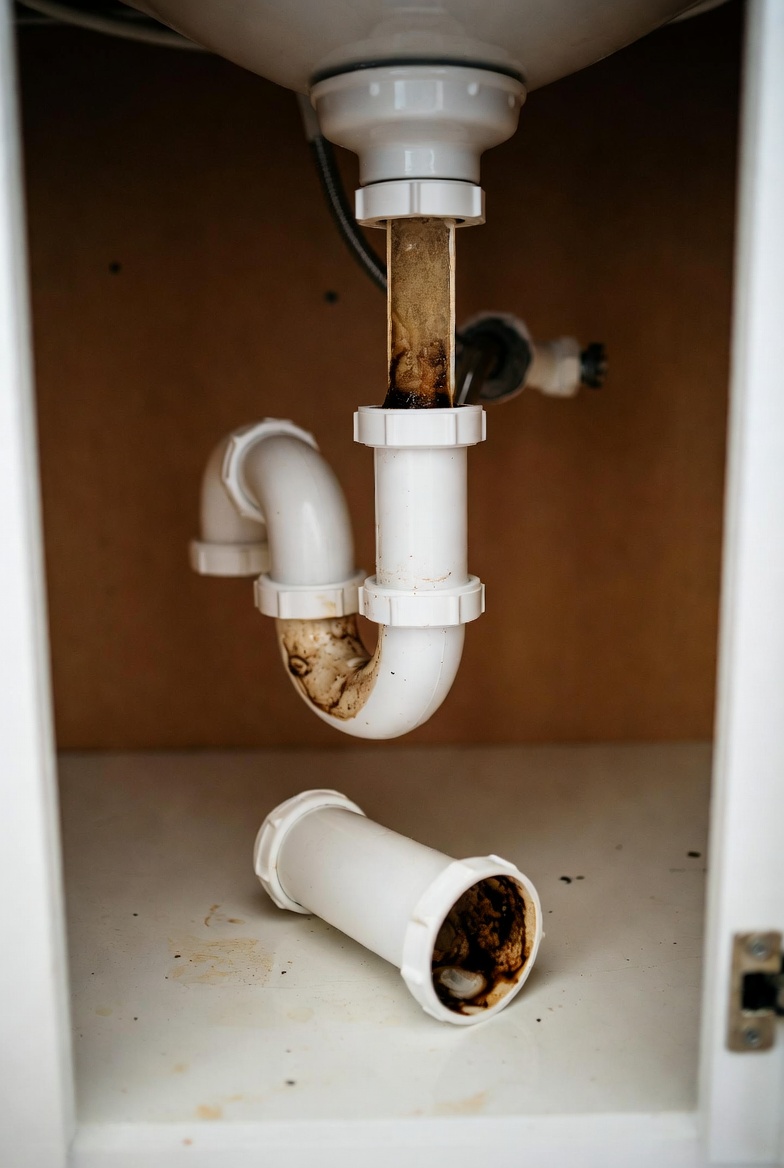
3. Remove the P‑trap and inspect for hair/soap mats
- Place the bucket under the trap to catch water.
- Loosen the slip nuts at each end of the trap (usually by hand or with pliers) and drop the trap out carefully.
- Inspect the trap for hair, soap scum and gunk. Remove by hand or with the brush. Rinse the trap into the bucket and check the trap arm (the horizontal pipe into the wall) for buildup.
- If the trap is clear but the drain still slows, use a short hand auger (plumbing snake) down the trap arm to pull out or break up the clog.
- Reassemble the trap, hand‑tighten the nuts, run water and check for leaks.
4. Follow-up cleaning
- Flush the drain with hot tap water to remove residual soap. For recurring soap scum, an enzymatic drain cleaner is safer than harsh caustic chemicals.
- Clean the stopper and strainer regularly to prevent reformation of the mat.
What Not to Do
- Do not push hair deeper with makeshift tools—this can move the clog farther into the line and make it harder to remove.
- Do not use excessive force on plastic fittings; you can crack or strip threads and cause leaks.
- Avoid pouring strong chemical drain cleaners into the sink, especially if you plan to take the trap apart—chemicals can splash and cause burns or damage pipes and finishes.
When to Call a Professional
- The clog remains after you remove and clean the P‑trap and run an auger.
- Multiple fixtures are slow or backing up—this can indicate a main line or vent issue.
- You find corrosion, damaged pipes, or you get a leak you cannot stop.
- The problem keeps returning frequently despite cleaning; a professional can inspect deeper lines and vents.
Safety Notes
- Always put a bucket under the trap before loosening fittings; expect water to spill.
- Wear gloves and eye protection when handling gunk or using tools.
- Turn off any under‑sink electrical devices and avoid standing in water while working on plumbing.
- If you use any chemical product, follow the label instructions, ventilate the area, and never mix chemicals.
Common Homeowner Questions
- Can I use a coat hanger to pull out hair? Not recommended — it often pushes hair further into the line and can scratch pipes.
- Will boiling water clear the soap scum? Hot tap water can soften soap scum and help, but boiling water can damage PVC pipes and seals—use caution.
- How often should I clean the trap? Check and clean the trap every few months or sooner if you shave at the sink frequently.
For more related articles, see the Sink Drains Then Suddenly Stops hub.