Quick Answer:
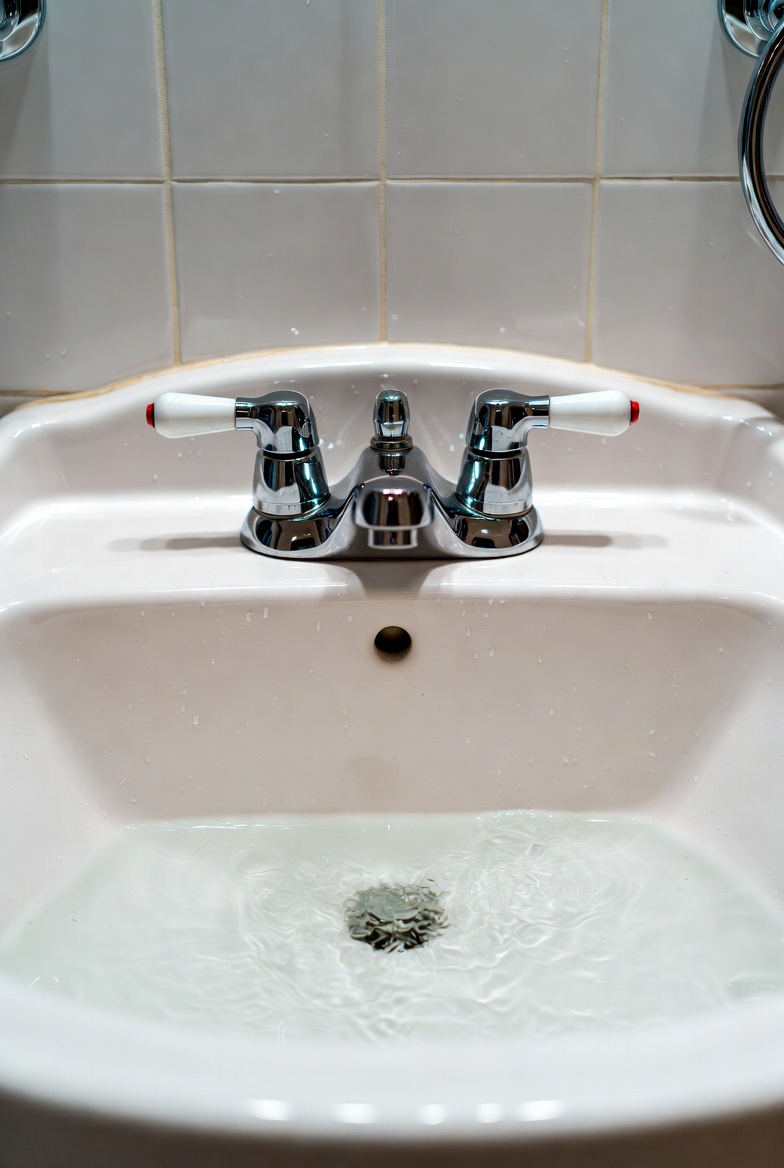
If a drain runs freely at first and then suddenly stops after about a minute, the most likely cause is a partial clog or blockage that shifts or builds up when water flows continuously. Start with simple checks and timing the change in flow; often you can clear the problem without calling a pro.
Why This Happens
- Partial clog near the trap or in the tailpiece: hair, grease, soap scum, or small debris can let water pass at low volume but block flow once the stream pushes material into a tighter spot.
- Debris that shifts with pressure: a chunk of food or a rag can move into position only when the flow reaches a certain speed, then seals the pipe.
- Air pocket or vacuum effect: in some setups a steady stream can create an air lock or suction that slows drainage until pressure equalizes.
- Downstream issues: slower main line flow or partial blockages further down can show up only under steady demand.
- Less common causes include venting problems or collapsed pipes, but those are less likely than a partial clog and usually show other signs first.
Step-by-Step What to Do
1. Observe and time the change
Start by running a steady stream of water and time when the flow changes to stoppage. Note how long it takes and whether the slowdown is gradual or sudden. This timing helps narrow where the problem sits (very quick stoppage often points to the trap; longer delays often mean further downstream).
2. Check the visible drain and stopper
- Remove the sink stopper or strainer and look into the drain with a flashlight. Clear any visible hair or debris.
- Run the steady stream again and watch—if flow changes almost immediately, the problem is likely at the top of the drain.
3. Inspect and clean the P‑trap
- Place a bucket under the trap, loosen the slip nuts, and remove the trap to check for clogs. Clean it out and reassemble.
- If you aren’t comfortable removing the trap, continue with the next steps before trying more invasive work.
4. Use a plunger and a hand auger
- Cover the overflow (if present) and plunge the sink firmly. This can dislodge soft blockages.
- If plunging fails, feed a hand auger (plumbing snake) down the drain to break up or pull out the clog. Avoid forcing a motorized snake if you’re inexperienced.
5. Re-test with a steady stream
Run the steady stream again and time the behavior. If the drain now keeps flowing or the stoppage timing changed, you’ve likely cleared or moved the clog. If the same pattern returns, the clog may be further down or more stubborn.
6. Check other fixtures and consider main line issues
- Run water in other nearby sinks, tubs, or the toilet. If multiple fixtures slow or back up, the problem may be in the branch or main sewer line.
- If symptoms differ (for example, the sink briefly clears then later fills) consult related guides like Sink drains then fills back up or Sink drains then overflows for specific patterns and fixes.
What Not to Do
- Do not assume it is a vent issue before checking for partial clogs.
- Do not pour strong chemical drain cleaners into the sink—these can damage pipes and make later repairs hazardous.
- Do not force a power auger or unfamiliar tools into narrow household drains; you can damage pipes or push the clog deeper.
- Do not stick your hand far down a drain without first removing the trap and wearing gloves—sharp objects or bacteria can cause injury.
When to Call a Professional
- Multiple fixtures back up at once or you smell sewage: likely a main line problem requiring a licensed plumber.
- If you cannot clear the blockage with a hand auger or the blockage keeps recurring after cleaning.
- If you suspect tree roots, collapsed pipe, or sewer-line damage—these need professional equipment and inspection.
- If you’re uncomfortable removing the trap or using a snake safely, call a plumber rather than risking damage.
Safety Notes
- Wear gloves and eye protection when working under the sink or handling debris.
- Put a bucket under the trap before disconnecting anything to catch water and debris.
- Ventilate the area if you’ve used chemical products previously; do not mix chemicals.
- If you detect sewage gases or a strong sewer smell, leave the area and call a professional—these gases can be hazardous.
Common Homeowner Questions
- Why did it stop only after a minute? Often a partial clog moves into place under steady flow or pressure builds and seals the pipe at that point.
- Can I fix it without calling a plumber? Yes, many are cleared by cleaning the trap, plunging, or using a hand auger; call a pro if the problem affects multiple fixtures or persists.
- Will chemical drain cleaners help? They may dissolve some clogs but can damage pipes and are unsafe around metal plumbing—avoid them for routine clogs.
For more related articles, see the Sink Drains Then Suddenly Stops hub.