Quick Answer:
If you notice a new smell a few days after plumbing work, it is usually caused by disturbed sediment, trapped sewage gases, or stagnant water in unused drains. Do a quick set of checks — run fixtures, check trap seals and vents, and Brown water after main shutoff or Cloudy water after city outage are examples of related disruptions. If the odor persists or smells like sewage, take precautions and consider professional help.
Why This Happens
Plumbing work can move sediment, loosen biofilm, or temporarily break seals that normally block sewer gases. Water left standing in pipes or overflow channels can grow bacteria or trap odors. Work on the main or local supply can also introduce discoloration and particles that carry smells. Small pockets of trapped water in rarely used fixtures dry out and let gases pass through P-traps that should be sealed. Finally, backflow or a broken vent can allow sewer-type odors into the house.
Step-by-Step What to Do
1. Identify where the smell is strongest
- Walk the house to find the source: kitchen, bathroom, basement, laundry. Note whether it’s near a specific fixture or widespread.
- Try to determine the scent: musty, rotten-egg (sulfur), or sewage. That helps decide next steps.
2. Run water and flush low-use fixtures
- Open cold and hot taps for 2–5 minutes to clear stagnant water. Flush toilets and run showers briefly.
- Pour a cup of clean water into floor drains and rarely used sinks to refill P-traps.
3. Inspect visible fixtures and overflow areas
- Remove sink stoppers and check around drains for debris or standing water.
- Inspect overflow channels on sinks and tubs—use a flashlight and a thin tool to clear hair or gunk.
- Inspect overflow channels for odor buildup.
- Clean lightly with diluted vinegar and warm water if you find grime; avoid harsh chemical mixes.
4. Check traps, vents and appliance connections
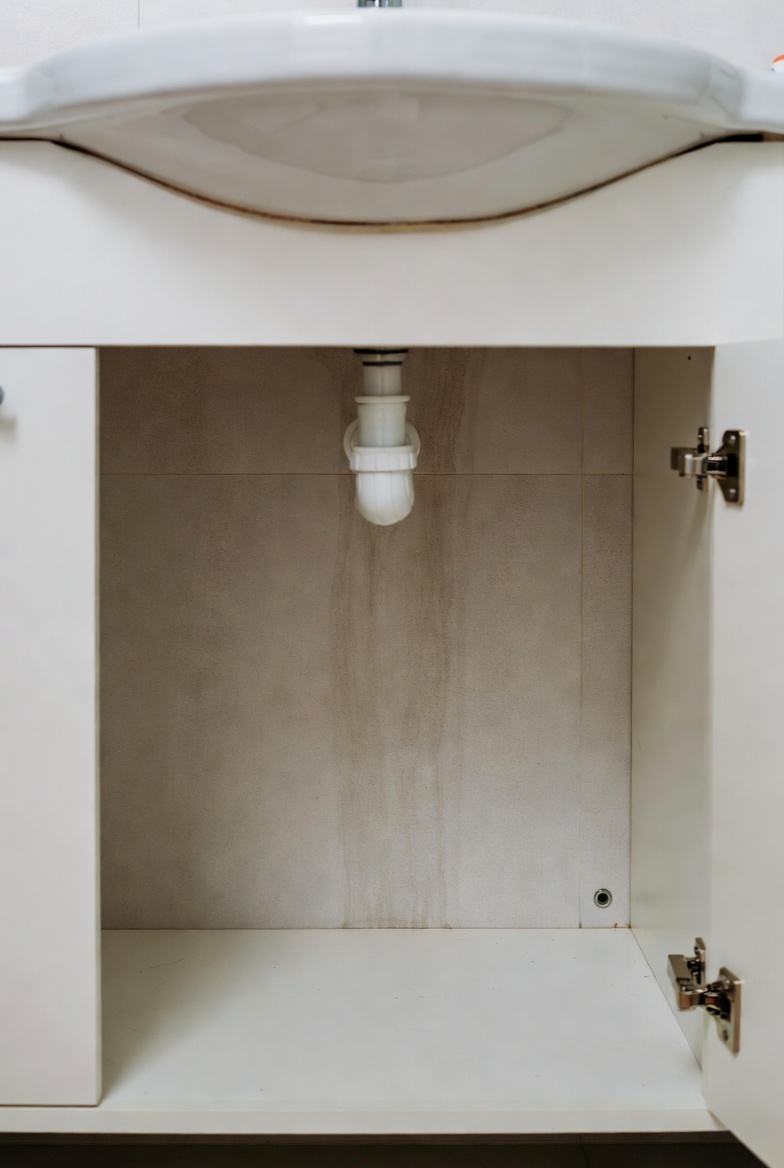
- Make sure P-traps contain water. If a trap is dry, pour water in to reseal it.
- Listen for gurgling when you run water—this can indicate a venting problem or blockage.
- Confirm dishwasher and washing machine drains are connected properly and not leaking or emitting odors.
5. Test cold and hot sources separately
- If the smell appears only with hot water, the water heater may need flushing or have bacterial growth.
- If only cold or municipal water smells, contact your water utility if simple flushing doesn’t help.
6. Isolate and document
- Shut off or avoid using the suspected fixture until you understand the cause.
- Take notes or photos of when the odor started, what work was done, and any visible signs (discolored water, leaks).
- If you cannot remove the smell with these steps, contact a plumber and share your observations.
What Not to Do
- Do not dismiss delayed contamination signs.
- Don’t mix household chemicals (for example, bleach and ammonia) when cleaning drains.
- Don’t pour strong caustic cleaners or lye down drains unless you understand the risks and ventilation is adequate.
- Don’t assume a faint smell is harmless—persistent or sewage-like odors warrant prompt attention.
When to Call a Professional
- If the odor persists after flushing and cleaning for 24–48 hours.
- If multiple fixtures smell, you have brown or cloudy water that doesn’t clear, or you suspect sewage backflow.
- If you notice gurgling drains, slow drains, leaks, or any hazard you can’t safely address.
- If water tests (performed by pros) show bacterial contamination or your utility reports a system problem.
Safety Notes
- Avoid tasting water to check for contamination. Use bottled water for drinking until the source is cleared.
- When cleaning drains, work in a well-ventilated area and wear gloves and eye protection.
- Don’t enter confined spaces (crawlspaces, sewers) without proper training and protective gear.
- If you suspect sewage contamination inside the house, limit exposure, ventilate the area, and call a professional for cleanup.
Common Homeowner Questions
- Why did the smell only start days after the work? — Disturbance during the repair can release trapped gases or dislodge debris that becomes noticeable after water settles.
- Will running hot water fix it? — Running hot water can help flush biofilm and sediment but may not fix vent or sewer issues.
- Is it safe to stay in the house? — Yes in most cases, but leave and call a pro if the odor is strong like sewage or you feel sick.
For more related articles, see the After-Shutoff / After-Repair Water Quality Issues hub.