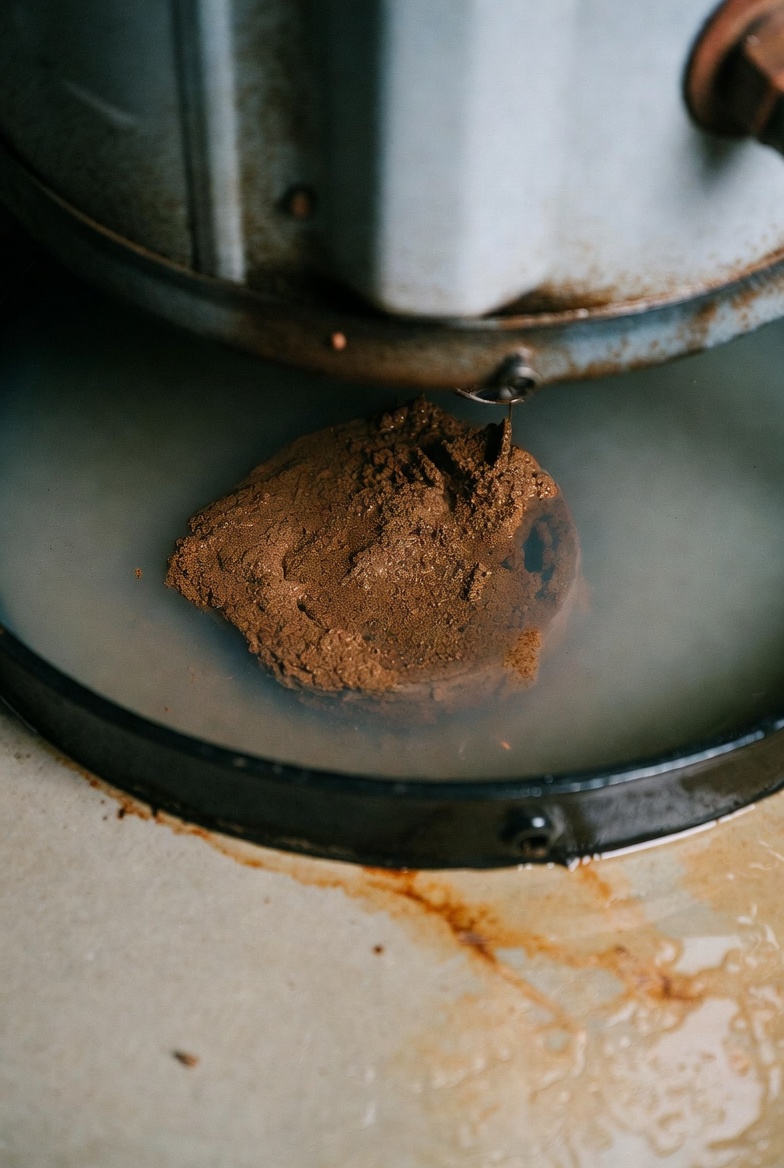
Particles after repiping require the actual completed materials and commissioning record. Do not start with all outlets at aggressive flow, top-to-bottom purging or a fixed hours-to-days break-in period.
Hazards and appropriate water use
If fuel gas is suspected, leave the building or affected area immediately. Do not operate valves, switches, plugs, appliances or phones there. Call the gas emergency service from a safe location well away, and wait for responders’ clearance.
Keep away from wet electrical equipment. Do not touch wet appliances, plugs or switches, or enter water to reach a breaker. When no gas leak is suspected, power may be isolated only from a safely accessible dry location; otherwise call an electrician or emergency help. Wet equipment needs qualified assessment before it is used again.
For a new, unexplained water-quality change: do not deliberately taste the water. Use bottled water or another known-safe supply for drinking, food preparation, teeth brushing and ice while you contact the supplier. Follow the actual local notice for other uses. Boiling does not make chemically contaminated water safe, and clear appearance or a fading odor does not certify safety.
Keep the original evidence
- Actual replaced paths, material/products, installer and completed inspection/commissioning.
- Original ordinary particle or color observation and any previous flush/sample.
- Heater, filter, softener and appliance state, leakage or severe delivery change.
What it does and does not establish
Fixture height does not map the supply connections or send potable debris toward lower wastewater drains by itself. Appropriate construction flushing can be necessary, but the actual retained arrangement, source, accepting receiver and product method determine it. Slight cloudiness and no strong odor do not establish safe use.
What to do next
- Request actual compatible materials, completed joints, leak/cleaning and commissioning evidence before relying on the repipe.
- Do not restore supply into open pipework, open all fixtures or backwash/replace unknown media as a generic cure. Specified service flushing needs safe retained control/capture and source-off refitting.
- Coordinate lab sampling before altering outlets. Do not use a small hot-tank drain, repeated 24–48 hour purges or normal taste as source/quality proof.
Sampling before changing conditions
Ask the supplier or a state-certified drinking-water laboratory which substances, sample points, bottles and collection/handling conditions fit the history. Get that plan before collecting or changing conditions. Ask whether a first-draw sample is needed before flushing, cleaning an aerator or changing treatment. A household jar, paper towel, tank drain or stored glass is not a universal water-quality sample.
Actual service and restoration
For any justified internal valve, filter, hose or heater work, identify the actual model and every feed/return and energy source. Use effective isolation, controlled pressure release and verification, appropriate cooling, retained parts and a secured accepting discharge path. Reassemble compatible components fully before restoring pressure. A lower pressure setting, closed suspect valve, gloves or a small hot draw does not establish safe service conditions. Verify the required complete fill and air purge before energizing an electric storage heater; check leakage and protected intended operation.
Use the actual supplier, installer or product restoration instructions when applicable after the concern is assessed. Keep plumbing sound and assembled, the drain able to accept the discharge, safe temperature and continuous attendance. Stop for leakage, backup or a new hazard. Do not invent a hotter, longer, multi-outlet or appliance purge. A clear stream, normal feel or fading smell cannot by itself certify the substance, device readiness or water safety.
Does upstairs-first flushing clear the whole repipe efficiently?
Elevation alone cannot establish that. Use actual mapped supply paths, specified commissioning and appropriate water-use findings; do not infer a universal transport or safety result from a high-to-low sequence.
Related guides
- Taste change after meter work
- Bad taste after plumbing repair
- After-Shutoff / After-Repair Water Quality Issues
Safety sources
- Con Edison: suspected gas leaks
- CDC: electrical hazards near water
- CDC: drinking-water advisories
- EPA: certified drinking-water laboratories
- EPA: home testing and laboratory collection instructions
- Example electric-heater manual: filling and maintenance requirements
- CDC: selecting and maintaining a water filter