Quick Answer:
After a water shutdown, unusual smells are usually caused by dislodged sediment, trapped stagnant water, or extra disinfectant from the system being used to clear lines. The smell does not automatically mean harmful contamination, but you should treat it seriously: stop using the water for drinking until you’ve taken a few checks and, if needed, a test.
Why This Happens
- Stagnant water in pipes can develop a musty or rotten-egg odor when flow is restored.
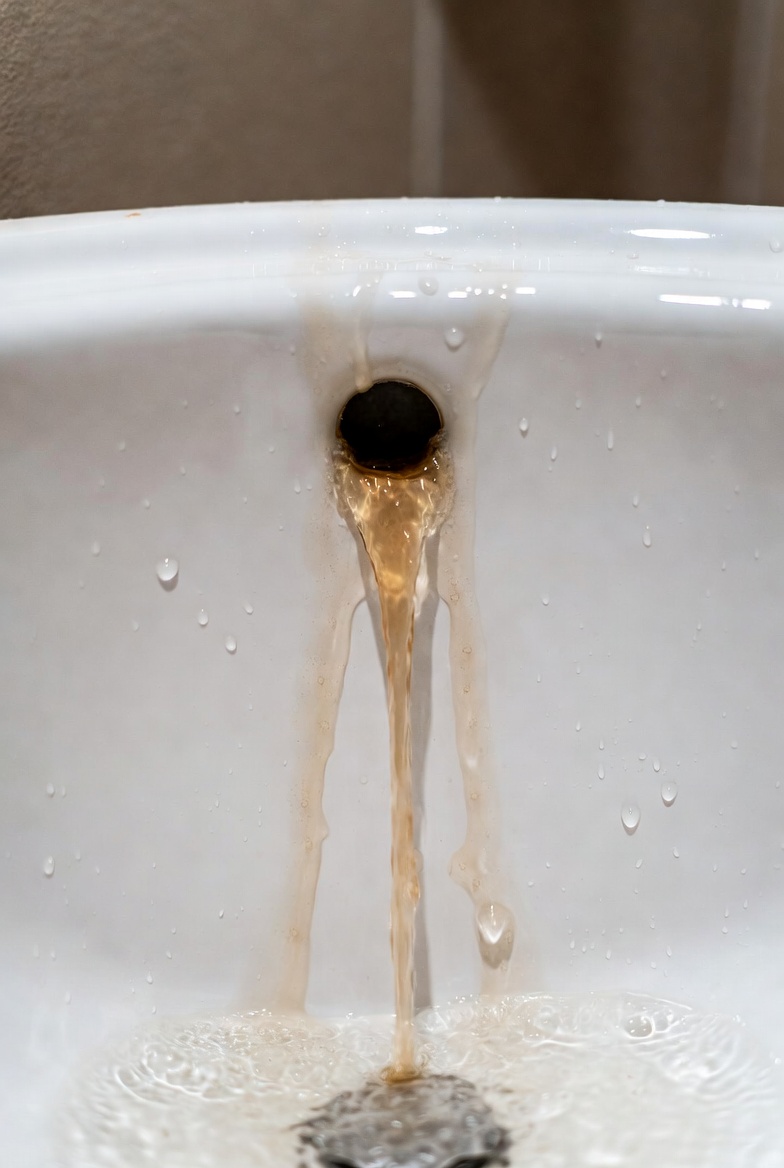
- Work on nearby mains, valves, or curb stops can disturb deposits and release odors or particles into service lines. For example, Sediment after replacing valve is a common outcome when work stirs up material.
- Utilities sometimes dose extra disinfectant when they open lines. That can create a temporary strong chlorine smell — similar to a pool — as workers flush lines. A familiar case is a clear, sharp smell from Chlorine smell after curb stop use.
- Organic matter in small pockets of the plumbing or in service lines can produce sulfur-like or musty odors when re-aerated.
Step-by-Step What to Do
1. Stop using the water for drinking or cooking
- Use bottled water or water from a different confirmed-safe source for drinking, cooking, and brushing teeth until you know the water is fine.
2. Collect first draw sample after restart
- Take the very first water that comes out of an indoor cold-water tap into a clean, sterile container. Do not run the tap first — capture the initial water for testing.
- Contact your water utility or a certified lab for instructions on how to package and where to deliver the sample if you plan to have it tested.
3. Check other taps and fixtures
- Note whether the smell appears at one sink only, multiple fixtures, or the whole house. If it’s limited to one fixture, the issue may be local (drain trap, aerator, or water heater mixing).
4. Flush cold-water lines
- Run cold water from an outside spigot or a low indoor tap for several minutes. Start with faucets closest to the service line and move to farther ones.
- Avoid running hot water first; that can send smelly water into the water heater and prolong the odor.
5. Clean fixtures and aerators
- Remove and inspect faucet aerators and screens. Rinse or soak them in vinegar or warm soapy water if they are dirty, then reattach.
6. Note timing and report to your utility if needed
- Record when the odor started, how long it lasted, what it smelled like, and which taps were affected. Call your water utility if the odor persists, if water is discolored, or if anyone in the home becomes ill.
What Not to Do
- Do not ignore odors after restart. Even if the smell goes away, there may be deposits or disinfectant levels worth checking.
- Do not assume boiling will remove chemical odors; boiling can concentrate some contaminants and won’t remove disinfection byproducts.
- Do not run hot water first when flushing lines; that can spread smelly water into the water heater and make the problem worse.
When to Call a Professional
- Contact your water utility right away if the smell is strong or persistent, if water is cloudy or discolored, or if multiple homes in your area show the same issue.
- Call a licensed plumber if the odor is isolated to one plumbing fixture, or if flushing and cleaning aerators don’t help.
- If anyone shows symptoms like nausea or vomiting after using the water, seek medical advice and report the event to your utility or health department.
Safety Notes
- Use bottled water for drinking and food preparation until you are sure the water is safe.
- When collecting a first-draw sample, follow any instructions from your utility or the test lab to avoid contaminating the sample.
- Wear gloves if you handle visibly dirty fixtures; wash hands afterward. Do not taste water to diagnose odors.
Common Homeowner Questions
- Why does the water sometimes smell like chlorine? Utilities may add extra disinfectant when they open lines; the smell usually fades after flushing.
- How long should I flush pipes? Flush until the water clears and the odor reduces; this can take several minutes to an hour depending on the system and where the disturbance occurred.
- When should I get a lab test? If the smell persists after flushing, if water is discolored, or if you’re concerned about health risks, submit the first-draw sample to your utility or a certified lab for testing.
For more related articles, see the After-Shutoff / After-Repair Water Quality Issues hub.