Quick Answer:
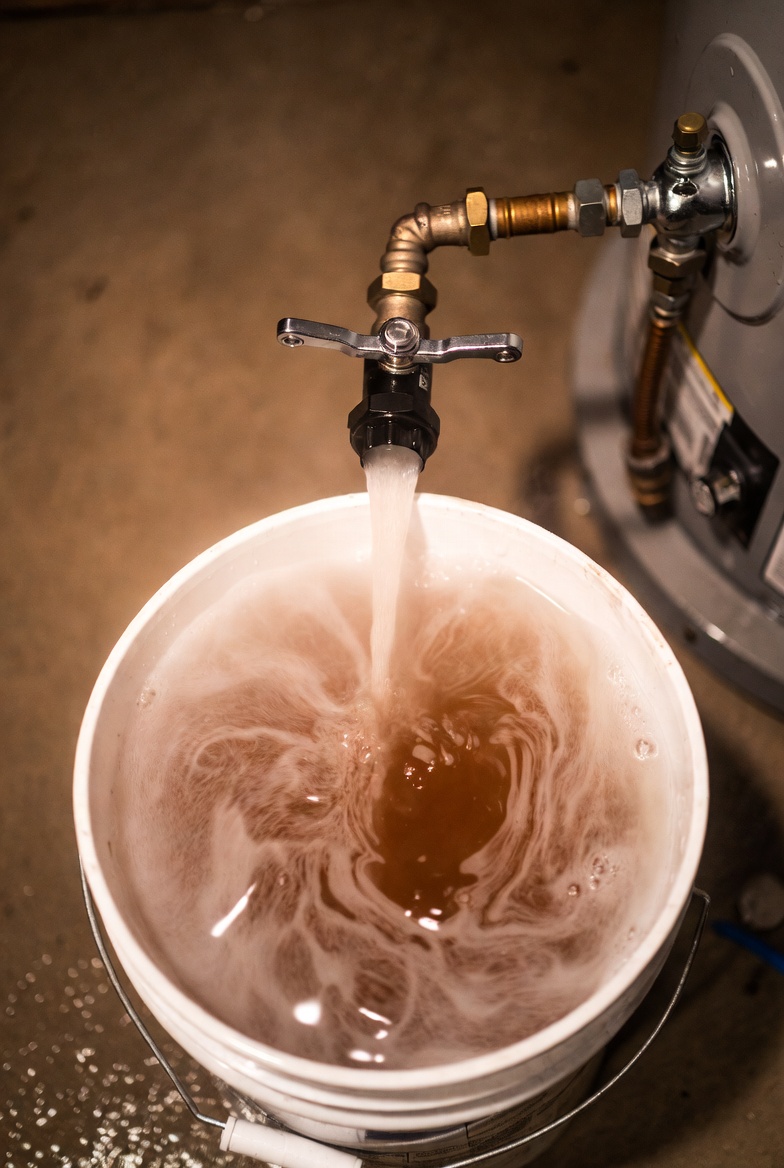
Seeing cloudy hot water only first thing in the morning is usually caused by air coming out of solution as the water cools and sits overnight, or by loose sediment in the water heater settling and then being disturbed when you first run hot water. It is often harmless, but you should check by drawing the first-morning hot water and then taking a midday sample to compare. If the cloudiness persists, smells, or is accompanied by discoloration, take further action or call a professional.
Why This Happens
- Air in the water: Hot water holds dissolved gases. Overnight, as the tank cools, those gases can come out of solution. When you run the tap, tiny bubbles make the water look milky or cloudy. The cloudiness usually clears from the bottom up in a glass as the bubbles rise.
- Temperature and pressure changes: The heater and plumbing see different pressures at night (thermostat cycles, valve positions), which can trap air in the hot lines.
- Sediment or scale: Mineral particles or loose rust in the tank can settle and be stirred up on the first draw of the day, then clear after flushing a little water.
- Recent work on plumbing: If you recently had work done, contaminants can enter the hot side and cause odd water quality—if that’s a concern, review the work for any mistakes or flushing needs. In that case, consider reading about Hot water contamination after repair.
Step-by-Step What to Do
1. Stay calm and check carefully
- Don’t panic. Many causes are benign. Note whether the cloudiness is white/milky (likely air) or brown/red (sediment or rust).
2. Draw the first-morning hot water
- Fill a clear glass with the hot water from a nearby hot tap first thing in the morning. Let it sit and watch: if the cloudiness clears from the bottom up in a minute or two, it’s almost certainly air bubbles.
- Note any smell or unusual color and take a photo if you want to show a plumber later.
3. Take a midday sample
- Run the same tap later in the day (after the heater has been used and circulated) and fill another clear glass. Compare clarity, smell, and color.
- If the midday sample is clear but the morning one is cloudy, that supports the “air or overnight settling” explanation.
4. Flush the hot lines briefly
- Run the hot water for 30–60 seconds. If cloudiness clears almost immediately, it was likely air or loose sediment being flushed out.
- A longer flush at multiple fixtures can help move settled particles out of the system.
5. Check basic heater settings and vents
- Look at the thermostat setting (avoid touching controls if you’re unsure). Very high temperatures can increase off-gassing and scaling.
- Check for recent repairs or unusual smells; if hot water also smells bad while cold water is fine, that’s a different issue to investigate further—search guidance on Hot water smells bad but cold is fine.
6. Keep a record and decide next steps
- Record when cloudiness happens and what you observed. If cloudiness is only morning and clears by midday, watch it for a few days. If it worsens or other symptoms appear, contact a plumber.
What Not to Do
- Do not ignore morning-only hot cloudiness. It may be harmless, but it can also be an early sign of a developing issue.
- Do not open or drain the water heater unless you are trained and have the correct tools. Tanks are hot and under pressure.
- Do not add chemicals to your hot water without professional advice.
- Do not assume cloudy equals contamination that makes water unsafe to wash with—still, avoid drinking or cooking with water that smells or is discolored.
When to Call a Professional
- Call a plumber if the cloudiness does not clear by midday or after flushing, or if the water is discolored (brown, red, or yellow) or has a persistent bad smell.
- Call if you notice a metallic taste, visible particles that don’t settle, or if hot water issues started right after a repair and flushing didn’t help.
- Also call if you’re unsure how to safely inspect or if water heater controls or relief valves look damaged—don’t attempt risky repairs yourself.
Safety Notes
- When testing hot water, avoid burns. Let water cool or mix with cold before handling or tasting.
- Do not open pressure relief valves or the heater tank. Those actions can cause scalding or release hot steam.
- If you suspect contamination or bacteria, avoid drinking the water and contact a professional for testing and treatment options.
Common Homeowner Questions
- Why does it clear in the glass? — Tiny air bubbles rise and dissipate; clear from the bottom up if it’s just air.
- Is it safe to shower? — Usually yes if the cloudiness is from air, but avoid using water that is discolored or smells strongly.
- Will flushing the heater fix it? — Flushing often helps when sediment or trapped air is the cause, but persistent problems need a plumber.
For more related articles, see the Hot-Water-Only Contamination and Odor Problems hub.