Quick Answer:
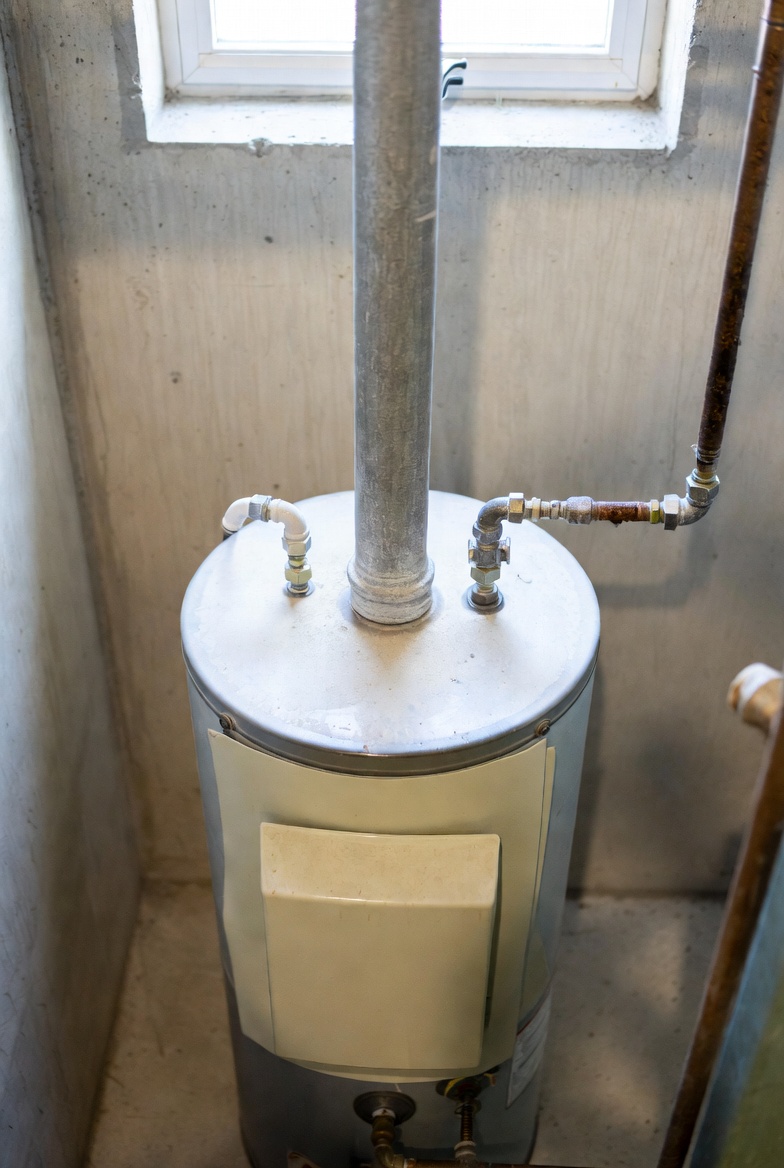
If only the hot water is discolored after a long absence, don’t drink or cook with it. The most common fix is to flush the water heater, then retest the hot taps. If flushing doesn’t clear the water, call a plumber to inspect the tank, anode rod and plumbing.
Why This Happens
When a home sits unused, water inside the heater becomes stagnant. Sediment, rust, or bacterial growth can settle in the tank and color the hot water while cold water remains normal. Corroded anode rods and loose rust in older tanks also cause browning or red tints. If the discoloration comes with an unusual odor or taste you can read more about related issues like Hot water smells chemical and Hot water tastes bitter elsewhere on the site.
Step-by-Step What to Do
Step 1 — Confirm it’s only the hot water
- Run a cold faucet and compare. If cold water is clear and only hot is discolored, the problem is in the heater or the hot plumbing.
Step 2 — Turn off power and water to the heater
- Electric heater: switch off the breaker. Gas heater: set gas control to pilot or off. This prevents damage and scalding while you work.
- Shut off the cold-water supply to the heater if you’ll be opening the drain valve.
Step 3 — Flush the heater after long vacancy and retest
- Attach a hose to the heater drain valve and run it to a safe drain point.
- Open a hot tap in the house to let air in, then open the heater drain valve and let the tank empty until the water runs clear.
- Close the drain, restore water and power/gas, then run hot water at a tap and check color again.
Step 4 — Check fixtures and repeat if needed
- Flush individual hot fixtures (tub, sink) if they remain discolored. Sometimes sediment settles in pipes or aerators; remove and inspect aerators.
- If water clears for a while but returns discolored, the tank may have internal corrosion or a failing anode rod—see next section.
Step 5 — Note what you find and monitor
- Record whether the discoloration is brown/reddish (rust) or brown/black (sediment). Monitor for reoccurrence over the next few days.
What Not to Do
- Do not drink vacation-return hot water.
- Do not try to heat or boil discolored hot water to “fix” it — boiling won’t remove rust or sediment and risks scalding.
- Do not flush a gas heater without shutting off the gas or following manufacturer instructions; improper handling can be dangerous.
When to Call a Professional
- If flushing doesn’t clear the water.
- If you see active leaks, visible corrosion, or the tank repeatedly produces discolored water.
- If you suspect the anode rod is badly corroded, or the heater is old (10–15+ years) — replacement may be safer and more cost-effective than repair.
Safety Notes
- Always turn off power at the breaker for electric heaters and follow safe shutoff for gas units before working on the heater.
- Hot water can cause severe burns. Open taps slowly and avoid standing over drains when flushing.
- If you’re unsure about any step, stop and call a licensed plumber. Don’t try plumbing or gas work beyond basic flushing if you lack experience.
Common Homeowner Questions
- Why did this happen after vacation? Stagnant water in the tank allows sediment and corrosion byproducts to concentrate and settle, so discoloration is common after long vacancies.
- Is it safe to wash clothes with the hot water? No — avoid using discolored hot water for laundry until it clears; it can stain fabrics and may indicate contaminants.
- How long until water is safe again? Often a single flush clears it; if not, resolving the underlying tank or plumbing issue can take a day or require a pro.
For more related articles, see the Hot-Water-Only Contamination and Odor Problems hub.