Quick Answer:
If you only notice a sulfur or rotten-egg smell when the heater cycles on, the odor is most often caused by reactions or bacterial activity inside the hot water system that release hydrogen sulfide when water is heated. It’s usually a tank issue, not the municipal supply, and can often be identified with a few simple checks before calling a pro.
Why This Happens
There are two common reasons a sulfur smell appears only when the heater runs:
- Bacteria in the tank feeding on sulfate in the water can produce hydrogen sulfide gas. Warm conditions inside the tank encourage this activity, so the smell strengthens when the heater fires.
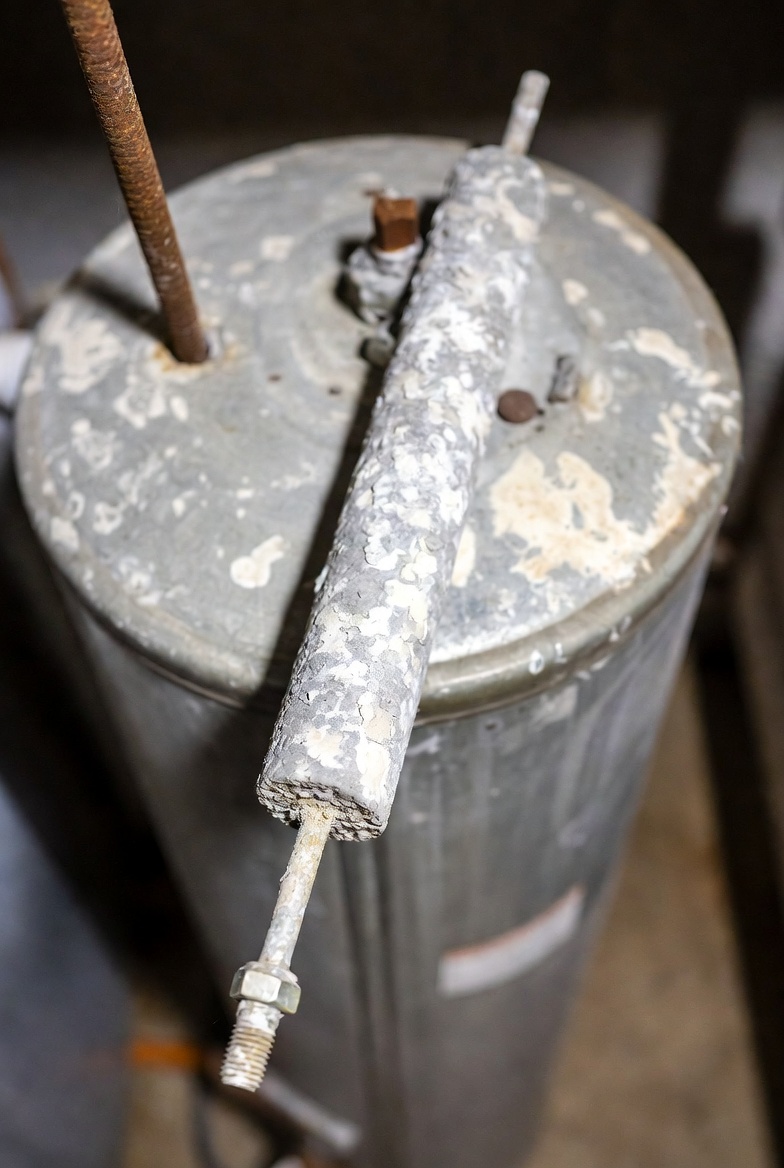
- A sacrificial anode rod (often magnesium or aluminum) can sometimes react with bacteria or minerals and promote the smell when water is heated. Heating releases dissolved gases more readily, so the odor becomes noticeable at the moment the heater runs.
If you recently emptied or refilled the tank, trapped air or mineral disturbance can also cause short-lived odors—see Hot water cloudy after heater refill for related checks. For other unusual hot-water smells, compare with Hot water smells chemical to rule out non-sulfur sources.
Step-by-Step What to Do
Step 1 — Stand near the heater and listen, then sniff
When you suspect the timing, stand close enough to the heater to hear it cycle. Listen for the burner or element engaging, then immediately check the hot water at a nearby faucet. Listen for heater firing then smell hot water immediately to confirm the odor lines up with the heater starting.
Step 2 — Isolate hot vs cold
- Run cold water and sniff. If cold water does not smell, the issue is likely in the heater or hot-side plumbing.
- Run hot water at several fixtures. If the smell is present at all hot taps but not cold, the tank or hot-side piping is the likely source.
Step 3 — Try a short flush of the hot side
Open a hot faucet (bathtub or outside spigot if available) and let a steady stream run for several minutes. This can clear stagnant water and may reduce bacterial build-up. Do not attempt to fully drain the tank unless you are comfortable and have the heater turned off and cooled first.
Step 4 — Turn off heating and re-test
Shut off the heater (power or gas) and let the water cool or sit. If the smell disappears after the heater is off and returns when it fires, that reinforces the heater or tank as the source. Don’t work on the heater while it’s powered.
Step 5 — Consider water testing and professional inspection
- Have the water tested for bacteria or sulfates if the smell persists after flushing. Your local water lab or a plumber can advise simple tests.
- If tests show bacteria or if the anode rod is suspected, contact a plumber to inspect the tank and recommend treatment or replacement. A professional can safely diagnose and address anode, bacterial, or corrosion issues.
What Not to Do
- Do not remove anode rods without diagnosis. Removing the anode without knowing the cause can accelerate tank corrosion and void warranties.
- Do not attempt major water-heater repairs while it is powered or hot. Turn off electricity or gas and allow the unit to cool first.
- Do not pour strong chemicals into the tank as a first fix. Incorrect treatments can damage the heater or create hazardous conditions.
When to Call a Professional
- When the smell persists after flushing and basic checks, or water tests indicate bacteria or high sulfates.
- If you suspect the anode rod, corrosion, or if the heater is old and showing signs of leakage or rust.
- If you smell a very strong rotten-egg odor throughout the house (not just hot water), contact your gas provider immediately—do not assume it’s only the heater.
Safety Notes
- Always turn off power (electric) or gas and allow the tank to cool before attempting any inspections or repairs.
- Be careful of scalding when running hot water for tests or flushing. Keep water at a safe temperature at fixtures if children or elderly are present.
- If a professional disinfects the tank (chlorination) or works on gas connections, make sure they follow local codes and ventilate the area afterward.
Common Homeowner Questions
- Why does the smell only show when hot water is used? Heating accelerates chemical reactions and releases dissolved gases, so bacteria or reactions inside the tank become noticeable when the heater runs.
- Can I fix this myself? Try flushing hot water and isolating the heater, but persistent odor or anode issues should be handled by a plumber.
- Is this dangerous? The smell is unpleasant but usually not dangerous at household concentrations; however, take care with gas odors and avoid DIY removal of the anode or major repairs.
For more related articles, see the Hot-Water-Only Contamination and Odor Problems hub.