Quick Answer:
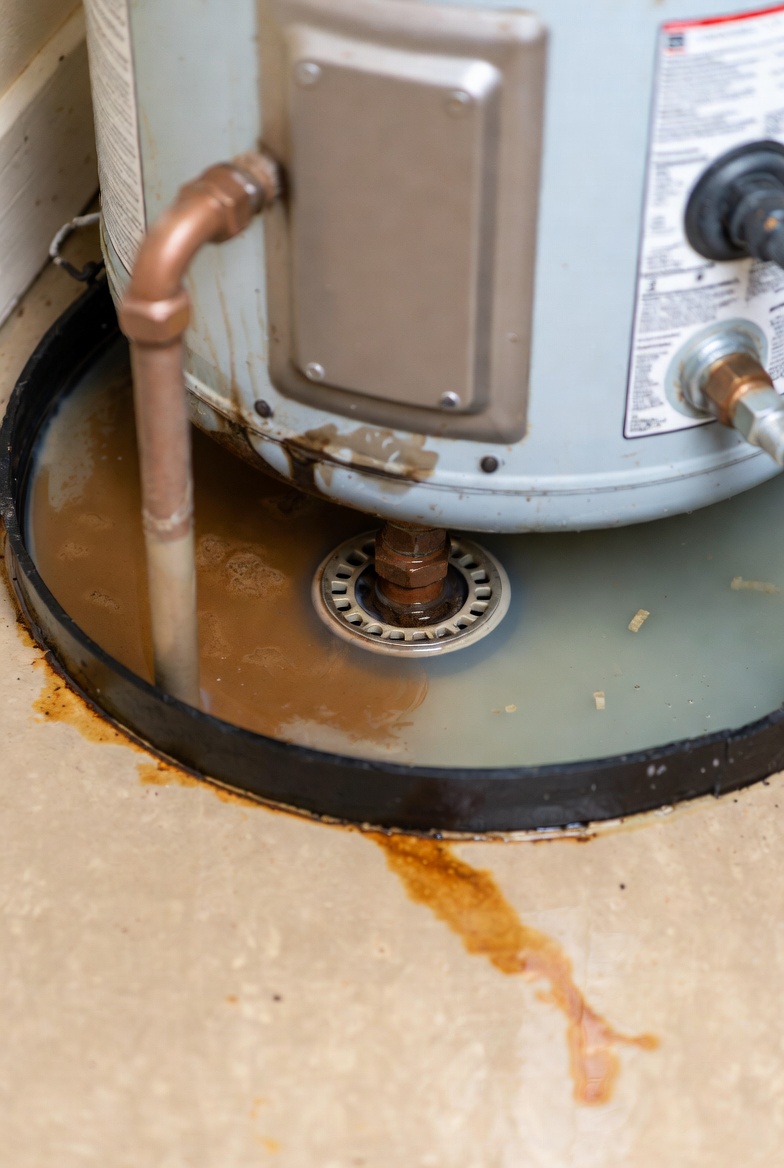
If you find grit or particles only from hot taps, the most common cause is sediment or corrosion in the water heater or hot-side plumbing. Start by checking a few fixtures, then briefly open the heater drain to inspect what comes out — that will tell you if the tank is shedding material or if the problem is elsewhere.
Why This Happens
When sediment, rust, or mineral scale builds up, it collects at the bottom of a water heater tank. Over time that material can break loose when the tank is disturbed or during normal heating cycles. If cold water is clear but hot water carries grit, the source is usually in the heater or the pipes on the hot side rather than the municipal supply.
Other common causes:
- Corroding anode rod or sacrificial metal parts shedding flakes.
- Degrading dip tube or internal liners breaking down.
- Mineral scale loosening after a change in water temperature or pressure.
- Corrosion in hot-side copper or galvanized fittings.
If you also notice a change in taste, like Hot water tastes metallic, that points toward corrosion rather than just mineral grit. If the problem is limited to hot taps only, read through the checks below and consider whether the tank itself is the source.
Step-by-Step What to Do
1. Confirm it’s only hot water
Turn on a cold tap and a hot tap at the same sink. If cold water is clear and hot water has particles, the problem is isolated to the hot side. Try more than one hot fixture (kitchen, bathroom) to see if the issue is house-wide or limited to one run of pipe.
2. Collect and inspect the material
Catch the particles in a clear container or on white paper so you can see color and size. Sand-like grit usually indicates minerals; dark flakes or metallic-looking pieces suggest corrosion.
3. Briefly open the heater drain to inspect sediment
Shut off power (electric) or set pilot to off (gas) and close the cold water inlet to the heater. Attach a hose to the drain valve and open it briefly until water runs clear or until you see what comes out. If you see a lot of grit or rust, the tank is likely the source.
4. Flush the tank if you find sediment
If the drain produced sand or rust, flush the tank according to the manufacturer’s instructions: partially open the cold inlet to agitate and run the drain until clear. Don’t fully remove the drain valve; you only need a short flush to remove loose material.
5. Check the anode rod and heating elements
A heavily corroded anode rod or failing electric heating elements can shed material. If you’re comfortable and the unit is off, inspect or have a pro inspect the anode rod and elements and replace them if needed.
6. Re-test hot water and monitor
After flushing and any repairs, run hot water from several taps to confirm the grit is gone. If particles return quickly, you likely need a deeper cleaning, anode replacement, or tank repair/replacement.
7. Consider particle traps or filters
As a temporary measure, a point-of-use filter on a sink can catch particles. For a long-term fix, address the heater or plumbing issue rather than relying on filters alone. If particles appear only after plumbing work, check recent fittings and flush lines.
If the problem seems limited to one fixture but matches the pattern above, see why some people report Particles only in hot water — it’s often a local pipe or fitting problem rather than the entire tank.
What Not to Do
- Do not ignore sediment isolated to hot side. Leaving the issue unaddressed can worsen corrosion and clog valves or appliances like washing machines and dishwashers.
- Do not pour strong acids or cleaners into the drain valve to dissolve sediment — that can damage the tank and is dangerous.
- Do not attempt major tank repairs (welding, cutting) without shutting off power/gas and consulting a professional.
When to Call a Professional
- If you see significant rust, large flakes, or continuous heavy sediment after flushing.
- If the drain valve is stuck, leaking, or you can’t safely shut off power or gas.
- If you suspect internal tank corrosion, a failing anode rod, or loss of tank integrity (leaks, external rust).
- If you’re uncomfortable working on gas appliances or electrical elements — call a licensed plumber or water-heater technician.
Safety Notes
- Always turn off power to an electric heater at the breaker and shut off the gas or set the pilot off on gas heaters before draining.
- Hot water can cause scalding. Let the tank cool if possible, and open drain valves slowly into a hose directed to a safe drain.
- Wear gloves and eye protection when inspecting sediment.
- If in doubt about gas lines, excess corrosion, or structural tank problems, stop and call a pro — do not continue working on a potentially unsafe unit.
Common Homeowner Questions
- Will flushing the tank fix the problem?
Sometimes. A short flush can remove loose sediment, but persistent or heavy deposits may require more thorough service or part replacement. - Can sediment damage appliances?
Yes. Grit can clog valves, reduce heating efficiency, and wear out components in washers, dishwashers, and shower valves. - Is it safe to keep using the heater with some sediment?
Limited sediment may be tolerable short-term, but it’s best to address it; ongoing corrosion or heavy buildup can lead to leaks or failure.
For more related articles, see the Hot-Water-Only Contamination and Odor Problems hub.