Quick Answer:
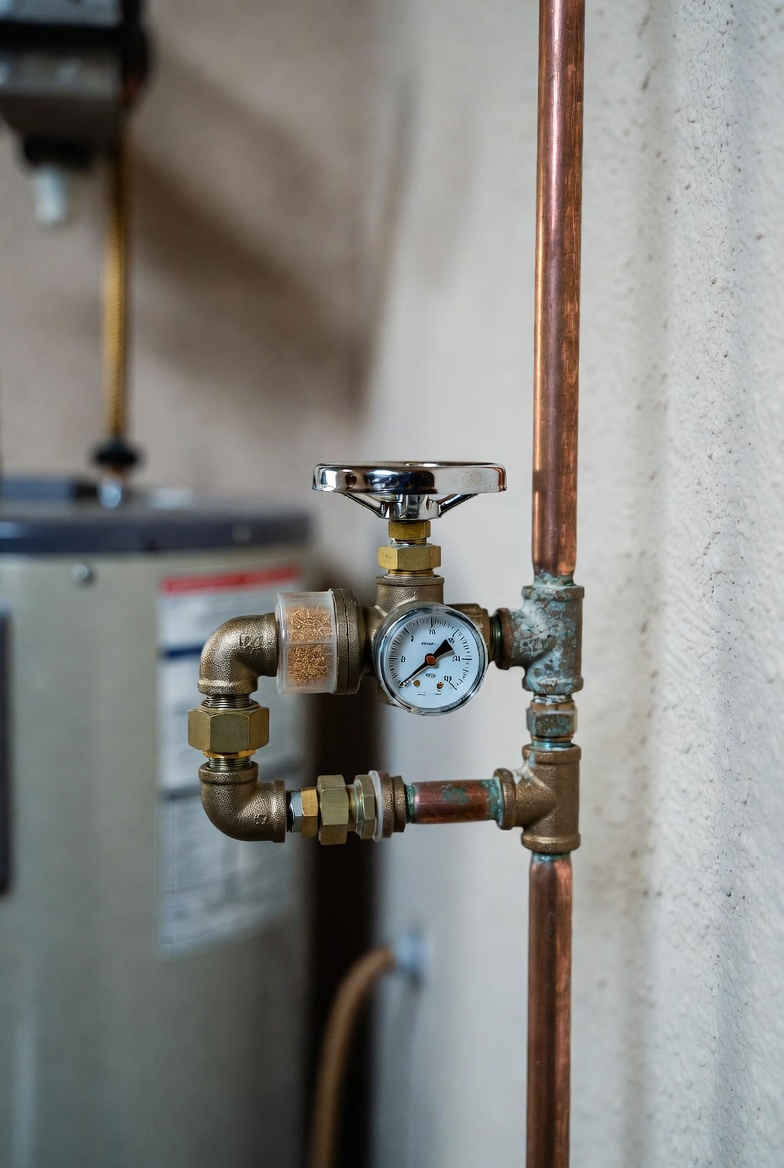
A new pressure-reducing valve (PRV) can slow flow enough that water sits longer in pipes, allowing harmless bacterial or organic films to produce a musty smell. Start by checking how much the flow changed, flush lines and fixtures, clean aerators, and monitor. If the odor stays after routine flushing and cleaning, call a plumber or water professional.
Why This Happens
When a PRV lowers system pressure, the flow rate at taps and showers can drop. Lower flow means water moves more slowly through pipes and fixtures, reducing turnover. Slower turnover lets naturally occurring bacteria or organic matter grow on pipe surfaces and in low-flow fixtures, creating a musty or earthy smell. The odor is usually from water sitting or from deposits in the hot water system, not from dangerous chemicals.
Other contributing factors:
- Warm water heaters with slow usage can develop bacterial films that release odors when hot water runs.
- Fixture aerators, showerheads and filters trap organic matter and can smell when flow is reduced.
- New plumbing work can dislodge sediments that later settle in low-flow areas.
Step-by-Step What to Do
1. Observe flow rate changes after PRV install
Measure flow by timing how long it takes to fill a one-gallon container at a typical tap. Calculate gallons per minute (GPM). Compare this to what you remember before the PRV was installed or to another unaffected tap. Note whether both hot and cold are reduced.
2. Run and flush fixtures
Open the cold tap fully at the kitchen sink and let it run for 3–5 minutes. Do the same with a bathtub or outdoor hose to flush mains. Then run hot water taps until they reach normal temperature and run for several minutes to flush the heater and lines.
3. Clean aerators and showerheads
Remove and rinse aerators and showerheads to clear sediment and biofilm. Soak them in a mild vinegar solution if mineral buildup is visible, then rinse and reinstall.
4. Check the water heater
Inspect for sediment build-up or long periods of low hot-water use. If the odor appears mainly in hot water, drain and flush the water heater per the manufacturer’s instructions or have a pro service it. Avoid adding chemicals to the heater unless directed by a professional.
5. Re-check flow and odor after flushing
After flushing and cleaning, repeat the flow measurement. If flow is still noticeably low and the odor persists, document when and where the smell appears (cold, hot, only at one fixture).
6. Consider targeted treatment or professional disinfection
If odors persist only in cold water or are widespread after thorough flushing, contact a water treatment professional. Whole-house shock chlorination or targeted disinfection may be needed, and a professional can do this safely.
What Not to Do
- Do not chase the odor by over-adjusting the PRV. Repeated or aggressive adjustments can cause pressure swings, leaks, or damage to the valve and your plumbing.
- Do not pour harsh chemicals into fixtures or the water heater without professional guidance.
- Do not bypass the PRV long-term to increase flow without understanding system requirements and municipal pressure regulations.
When to Call a Professional
- If the musty smell remains after thorough flushing and cleaning, especially in cold water.
- If flow rate is much lower than before the PRV and adjusting the valve doesn’t help or causes instability.
- If you suspect contamination, see health symptoms, or need whole-house disinfection—call a licensed plumber or water treatment expert.
Safety Notes
- When flushing large volumes of water, direct it to a floor drain or outside to avoid water damage.
- Be careful with hot water to avoid scalding while running and flushing hot lines.
- If a professional recommends chlorination, follow their safety instructions—do not mix chemicals, and ventilate areas as directed.
Common Homeowner Questions
- Earthy odor when water first runs — Short answer: This often points to stagnant water or organic films in pipes and is usually cleared by flushing.
- Earthy odor from shower — Short answer: Low flow and trapped debris in the showerhead or valve commonly cause it; clean or replace the showerhead and flush the line.
- How long should I wait after flushing to expect improvement? — Expect improvement within a day after thorough flushing; if not, call a professional.
FAQs
- Why does the smell only happen occasionally? — Reduced flow and usage patterns let bacteria build up between uses, so odors can be intermittent.
- Will the PRV fix make the water unsafe? — Unlikely; musty odors are usually from harmless bacteria or organics, but persistent or strong odors warrant testing.
- Can I adjust the PRV myself to improve flow? — Minor adjustments are possible, but avoid frequent or large changes; consult a plumber if unsure.
For more related articles, see the Musty, Earthy, or Moldy Water Smell hub.