Quick Answer:
If you smell metal only when you open an outdoor spigot, do a few simple checks before panicking. Run the outdoor tap fully and compare the smell and taste with indoor faucets. Often the cause is a surface issue in the hose bib, a nearby hose, or a temporary change in the line rather than rapid yard-line corrosion. If the smell persists or you notice staining, stop using the water and escalate to testing or a professional.
Why This Happens
- Surface corrosion or mineral buildup inside the spigot or hose can release a metallic odor without indicating a full pipe failure.
- Standing water in a hose or hose bib can leach metals from fittings or deposit organic material that smells metallic as it breaks down.
- Changes in water chemistry after work on municipal lines, a new filter, or new home plumbing can temporarily alter taste and smell.
- Occasionally, nearby metal objects, fertilizers, or soil contaminants can affect odor around the spigot rather than the water itself.
Step-by-Step What to Do
1. Run the outdoor spigot
Open the spigot fully for several minutes to flush standing water and drop any loose particles. Run the spigot fully and compare to indoor. Note whether the smell reduces, disappears, or remains strong.
2. Compare indoor taps
Check a cold indoor tap (kitchen or utility sink). If the indoor water has no metallic smell, the issue is likely localized to the outdoor spigot, hose, or nearby fittings.
3. Inspect the spigot and hose
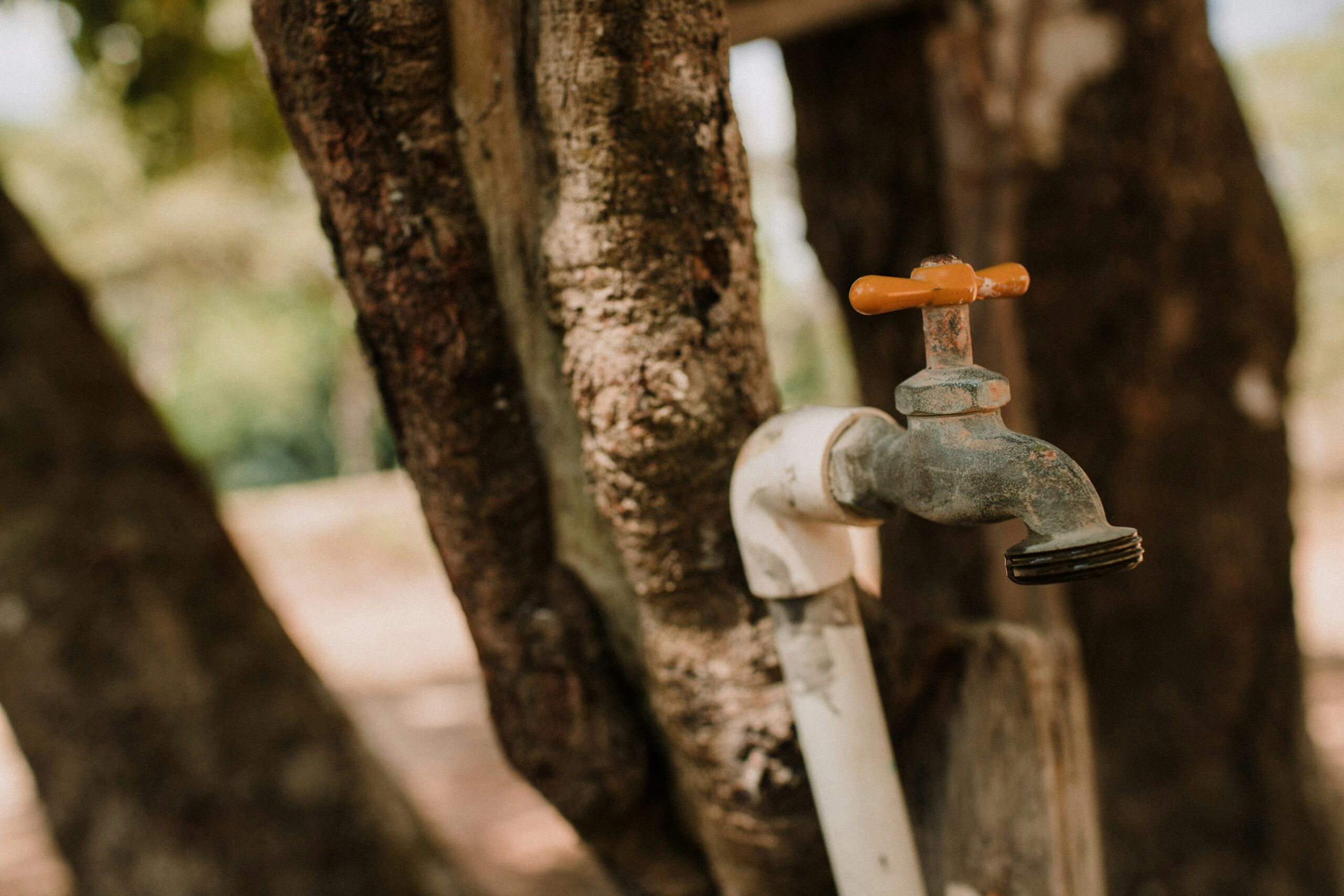
- Look for visible rust, green/blue stains, or flaking on the spigot, hose connector, or attached hose.
- Disconnect any garden hose and smell water directly from the spigot without the hose connected. A contaminated hose can cause odor even if the spigot is fine.
4. Clean or replace small parts
If you find corrosion on the spigot screen or the aerator, shut off the water to that line if possible, remove debris, and gently clean the outlet with a brush. Replace old rubber washers or hose washers that look degraded.
5. Test if needed
If the odor continues after flushing and cleaning, collect a sample in a clean container and consider a basic home water test for iron and other metals, or arrange lab testing through your water provider.
6. Monitor after fixes
After cleaning or replacing parts, retest by running the spigot and comparing to indoor faucets. If the problem is temporary you should see improvement; persistent odors require further action.
If you recently changed treatment or plumbing, see metallic taste after filter install and taste after installing new pipes for related tips on what to expect and how long changes may last.
What Not to Do
- Do not ignore metallic odor from outdoor lines.
- Do not drink water from the outdoor spigot until you’re sure it’s safe—especially for children and pets.
- Do not try to solder or cut buried pipes yourself if you suspect underground corrosion; that can be dangerous and make the problem worse.
When to Call a Professional
- Metallic smell persists after flushing, cleaning, and removing hoses.
- You find active leaks, significant corrosion, or staining around the spigot or on lawn areas.
- Your indoor water starts to show the same odor or taste, suggesting a supply-wide issue.
- You prefer a certified test of water for lead, iron, or other metals.
Safety Notes
- Avoid using outdoor water for drinking or food preparation until the source of the smell is cleared.
- Wear gloves and eye protection if you clean corroded fittings or handle chemicals.
- If you suspect lead or other toxic metals, stop use and get a certified lab test rather than relying only on home kits.
Common Homeowner Questions
- Why does the smell go away after running the tap? Flushing removes standing water and loose deposits that cause temporary metallic odors.
- Can a hose cause the smell? Yes. Old or contaminated hoses often produce metallic or musty smells; disconnect hoses and test the spigot alone.
- Should I worry about yard-line corrosion? If the problem is limited to the spigot or hose and indoor water is fine, full yard-line corrosion is less likely—but persistent issues should be inspected by a pro.
For more related articles, see the Metallic Taste, Copper Taste, or “Pennies” Smell hub.