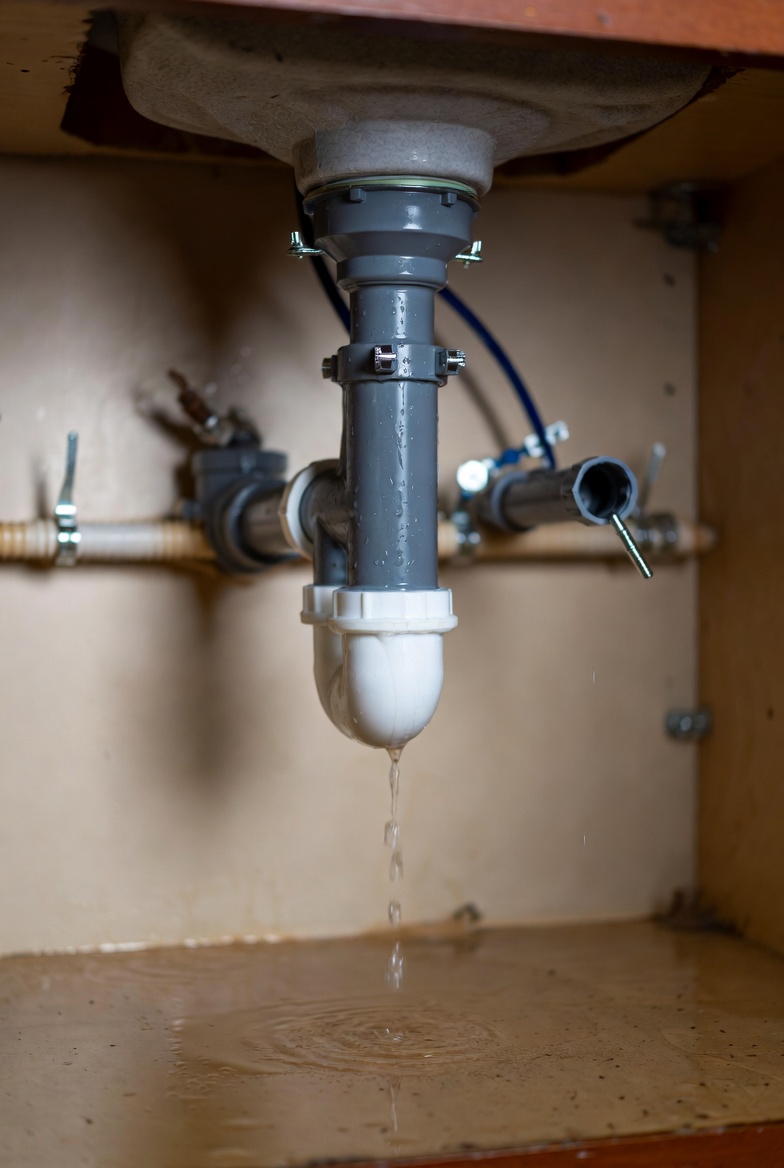
If you notice a metallic smell after a plumber works on your water lines, it’s usually related to solder, flux, or loosened copper particles. The steps below help you check the repaired branch, flush contaminants out, and decide if more action is needed.
Quick Answer:
Flush the repaired branch, check the water for visible particles and taste or smell changes, and keep flushing until the odor is gone. If the smell or metallic taste remains after thorough flushing, call a plumber and consider testing the water.
Why This Happens
Common causes after a repair include:
- Leftover flux or solder particles from soldered joints.
- Disturbed copper oxide or tiny metal flakes loosened during cutting or fitting.
- Stagnant water that concentrated minerals in the repaired section.
Most of the time these are temporary and flush out with steady water flow. For related reading, see Copper taste disappears after flushing and Copper taste after pipe replacement.
Step-by-Step What to Do
1. Identify the repaired area
Find the fixture or branch line the plumber worked on. Knowing the exact location lets you isolate and flush the right section without running the whole house.
2. Prepare to flush safely
Put down towels if you expect splashes and have a bucket ready. If you plan to collect water for inspection, use a clean bucket you don’t use for drinking.
3. Flush repaired branch line into a bucket
Open the valve or faucet at the repaired branch and let water run directly into the bucket. Watch for visible particles, discoloration, or a strong metallic smell. This concentrates any residue so it doesn’t spread through your whole system.
4. Run cold water at full flow
After the bucket check, run the cold water at the repaired fixture and nearby fixtures for several minutes. A good rule: keep flushing until water looks clear and the smell or taste is gone. For taps used for drinking, run a minute or two longer as a safety margin.
5. Check other fixtures
Test other taps in the same branch and one on a different branch. If only the repaired branch had the smell and it disappears with flushing, the issue was likely residue. If it persists system-wide, you may have a broader water quality issue.
6. Monitor for recurrence
Over the next 24–48 hours, sample the water from the repaired fixture. If metallic smell or taste returns, stop using that source for drinking and move to the next steps under “When to Call a Professional.”
What Not to Do
- Do not ignore solder residue after repairs. Small flakes or flux can leave taste or odor and indicate the joint needs more flushing or attention.
- Do not ingest water that smells strongly metallic until you have flushed it and confirmed the odor is gone.
- Do not attempt to reheat or redo solder joints yourself unless you are experienced with plumbing soldering and safety precautions.
When to Call a Professional
Contact a licensed plumber if any of the following apply:
- The metallic smell or taste persists after thorough flushing of the repaired branch and other nearby fixtures.
- You see visible metal flakes or ongoing discoloration from the repaired section.
- The plumber who did the repair is reachable—ask them to recheck the joint and flush the line at their expense if the issue appears related to their work.
If a plumber confirms persistent contamination or you’re concerned about heavy metals, ask about water testing or a referral to a qualified water laboratory.
Safety Notes
- Use the bucket flush to avoid sending concentrated residue into other household lines.
- Don’t drink water that smells or tastes metallic until it’s been flushed and the odor is gone. Use bottled or boiled water for drinking and cooking if you have doubts.
- If you handle debris from the pipe, wear gloves and wash hands afterward. Dispose of flushed water outdoors or down a drain as appropriate—do not reuse it for drinking or cooking.
Common Homeowner Questions
- How long should I flush the line?
- Flush until the water runs clear and the metallic smell or taste disappears—typically a few minutes, but sometimes longer for branch sections.
- Is a metallic smell dangerous?
- Usually it’s an unpleasant but temporary sign of solder or copper particles. If it persists, have the water tested for metals to be safe.
- Can I keep using the tap after flushing?
- Yes, if the smell and taste are gone and water looks clear. If any concern remains, stop using it for drinking and contact a plumber.
For more related articles, see the Metallic Taste, Copper Taste, or “Pennies” Smell hub.