Quick Answer:
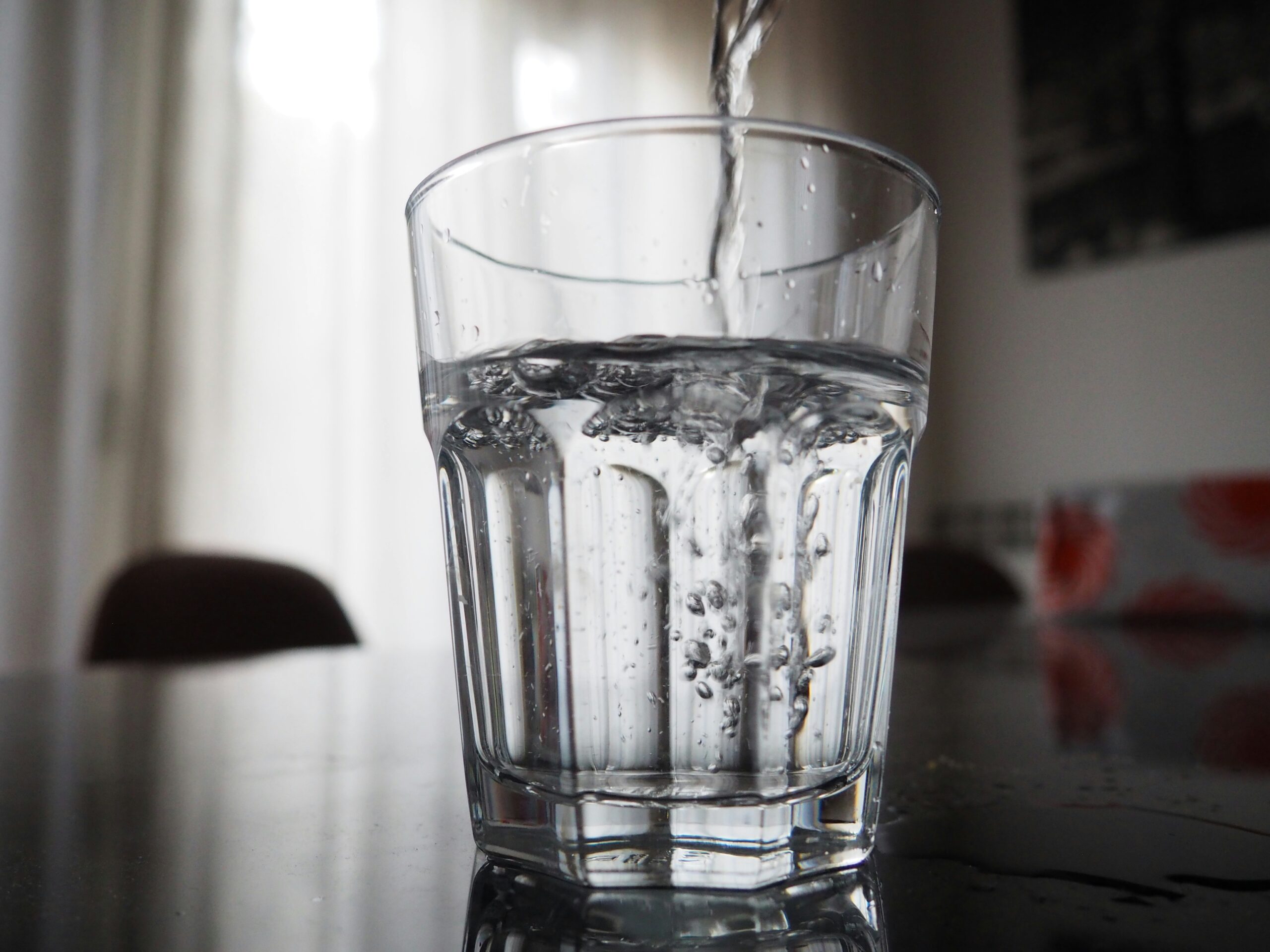
If water left standing in pipes or a glass overnight tastes metallic on the first draw, don’t drink it. Pour first-morning water into a clean glass. Run the cold faucet for 30–60 seconds to flush fresh water through the lines before using it for drinking or cooking. If the metallic taste is strong or persistent, follow the steps below to check sources and reduce risk.
Why This Happens
- Water that sits in metal pipes can pick up small amounts of metal from corrosion or dissolved minerals. This is more likely in older plumbing or after long periods of no use.
- Recent plumbing work or new metal fittings can temporarily increase metallic compounds in the first draw. If you recently had work done, see the note about Metallic smell after plumbing repair.
- Stagnation can concentrate odors and tastes in the water sitting near faucets. Cold-water lines are most commonly affected.
Step-by-Step What to Do
Step 1 — Pour and inspect
- Pour first-morning water into a clean glass and look at it. Clear, colorless water that smells metallic should still not be consumed.
- If you see discoloration (brown, orange) or visible particles, stop and do not use the water for drinking or cooking.
Step 2 — Smell and small taste check (cautious)
- Smell the water in the glass. If it has a sharp metallic odor or taste, avoid swallowing. A brief sip to confirm taste can be reasonable, but avoid consuming more if it tastes metallic.
- If you want background information, note the issue of a **Metallic taste in tap water** when documenting what you observed.
Step 3 — Flush the line
- Run the cold faucet for 30–60 seconds to bring fresh water from the main into the pipes. If you have a well, flush for several minutes or until the water clears.
- Re-test a fresh glass after flushing. If taste is gone, occasional overnight taste is likely due to stagnation. If it remains, continue to the next steps.
Step 4 — Check fixtures and aerators
- Turn off the water and remove the aerator screen from the faucet, then rinse it. Mineral buildup or debris can cause taste issues.
- Inspect visible plumbing for rust, corrosion, or new metal fittings added recently.
Step 5 — Isolate hot vs. cold
- Test both cold and hot water. Metallic tastes in hot water often come from the water heater and should not be used for drinking or cooking until resolved.
Step 6 — Track and document
- Note when the taste occurs (first draw only, after repairs, only in one fixture). If the problem persists, record photos and times to show a professional or lab if you submit a water sample for testing.
What Not to Do
- Do not consume first-draw metallic water.
- Do not assume boiling removes metallic tastes or metals; boiling can concentrate some contaminants.
- Do not use hot water for cooking or drinking to bypass a metallic taste; hot water can release more metals from the heater or piping.
When to Call a Professional
- If the metallic taste persists after flushing and cleaning aerators, contact a licensed plumber to inspect piping and fittings.
- Call a plumber or your water provider if you see discoloration, metallic staining on fixtures, or if neighbors report the same issue — these can indicate a systemic problem.
- If anyone in the home is pregnant, elderly, or has health issues, seek faster testing and professional help for potential lead or other contaminant concerns.
Safety Notes
- Short-term exposure to a mild metallic taste is unlikely to cause severe harm, but repeated consumption of contaminated water can be risky.
- If you suspect lead, copper, or other harmful metals, stop using the water for drinking and cooking until tested.
- For persistent or unexplained issues, consider professional water testing through a certified lab recommended by your local health department.
Common Homeowner Questions
- Why did the taste only happen after the water sat? Standing water sits in a section of pipe where metal ions or deposits can leach into the water, so the first draw may taste different.
- Is it safe to brush teeth with that first draw? Avoid using water that tastes strongly metallic for brushing until you’ve flushed the line and verified the taste is gone.
- Could recent plumbing work be the cause? Yes. New fittings or disturbed pipes can release metallic particles; see a plumber if the problem continues.
For more related articles, see the Metallic Taste, Copper Taste, or “Pennies” Smell hub.