Bottom Line Up Front A metallic or coppery taste right after a water outage is usually from stagnant water in the mains or your pipes leaching copper from fittings and pipes. Flush your plumbing thoroughly (cold taps first, 5–10 minutes), compare a first-draw sample to a flushed one, and monitor for a day. If the taste clears after flushing, it’s likely temporary stagnation. If it persists or water is discolored, stop drinking and contact your water utility or a plumber immediately.
Common Causes When water service resumes after an outage, the sudden flow stirs up stagnant water that sat in pipes and mains. This can release dissolved metals, especially copper, giving a sharp, penny-like taste. Key triggers include:
- Stagnant water corrosion — Water sitting still becomes more acidic or picks up oxygen, dissolving copper from pipes/fittings.
- Utility-side changes — Chlorine spikes, pH shifts, or pressure changes after repairs can temporarily increase metal leaching until lines stabilize.
- Hot water systems — Refilled heaters release concentrated metals or sediment — often described as a Metallic odor after heater refill.
- Your plumbing materials — Older copper pipes, brass fittings, or soldered joints are more prone to brief leaching during flow changes.
- Wider supply issues — If neighbors report the same taste, it may be from the municipal main or service line disturbance.
If the taste is only in hot water or certain fixtures, it’s likely local (heater/pipes). If widespread, contact the utility.
Tools & Materials You’ll Need
- Clean glass or container (for samples)
- Notebook/phone (for logging taste, time, fixtures)
- Flashlight (to check pipes/heater area)
- Safety gloves (if handling pipes)
Step-by-Step Troubleshooting & Fixes
Step 1: Do a Quick Safety Check
- If water is visibly discolored (blue/green tint, brown sediment), do NOT drink, cook, or brush teeth with it.
- Use bottled water or an alternative source until cleared, especially for vulnerable people (pregnant, infants, immune-compromised).
Step 2: Take a First-Draw Sample
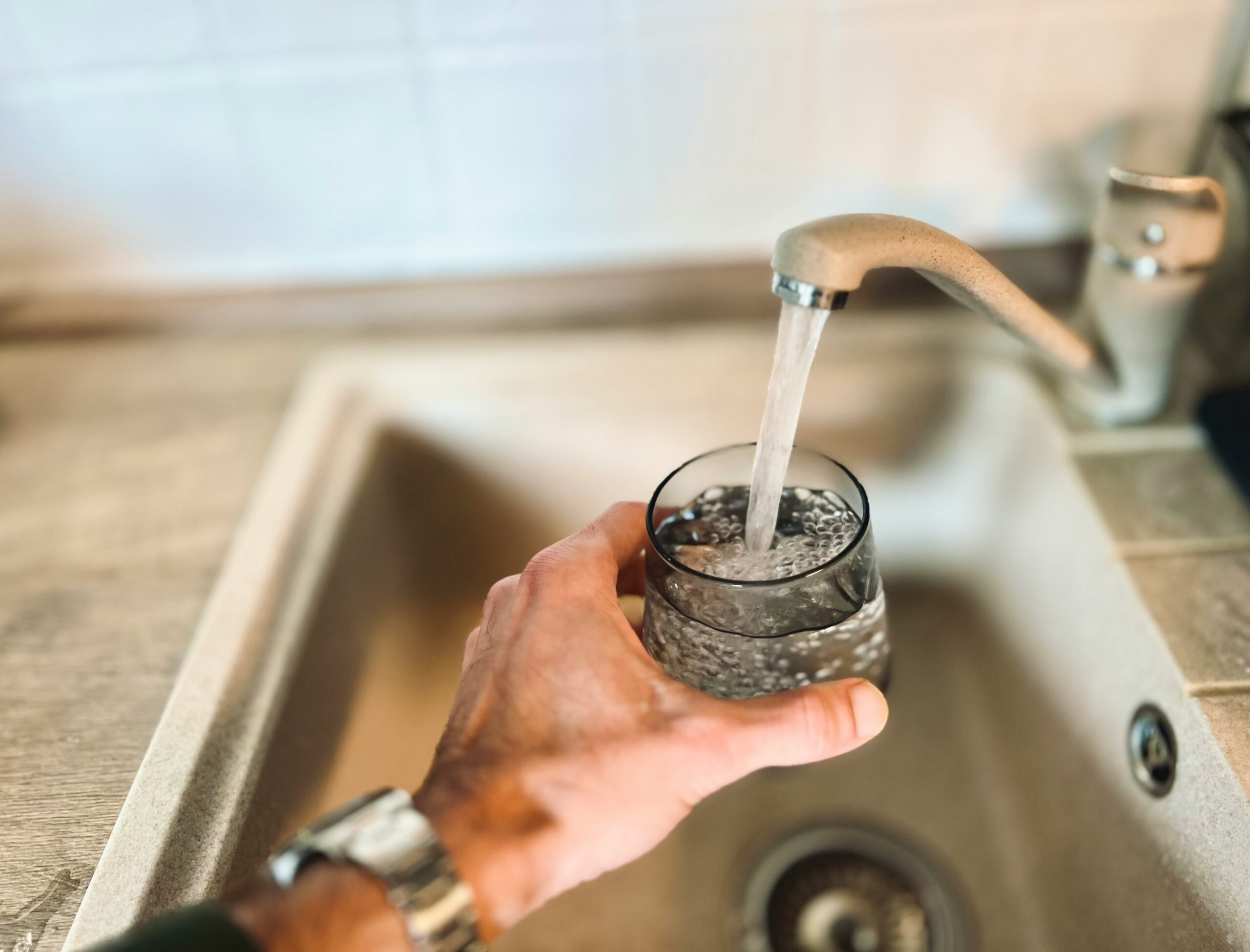
- Immediately after outage ends, fill a clean glass with cold water from kitchen tap without running it first.
- Taste/smell/color note: sharp metallic? Penny-like? Faint blue tint?
- This represents worst-case stagnant water.
Step 3: Flush for 5–10 Minutes & Take Flushed Sample
- Run cold tap full blast for 5–10 minutes (longer if possible — outdoor hose or basement tap helps).
- Collect another sample after flush.
- Compare: Taste gone or much reduced? → Stagnation was likely local.
- Taste still strong? → Problem may be ongoing (supply, pipes, heater).
Step 4: Test Other Fixtures & Hot Water
- Run cold/hot from sink, tub, shower.
- Note if hot water is worse (heat concentrates metals).
- If taste is shower-specific, check related issues like Metallic smell from shower.
Step 5: Decide Next Steps
- Flushed sample tastes normal → Flush low-use taps daily for a few days; resume use but monitor.
- Taste persists → Stop drinking; contact utility (municipal issue?) or plumber (pipes/heater).
- Consider lab test (first-draw + flushed) if concerned about levels.
Mistakes to Avoid
- Don’t ignore copper taste — even low levels can indicate corrosion.
- Don’t assume boiling removes metals — it concentrates them.
- Don’t use harsh chemicals to “clean” pipes — can worsen leaching.
- Don’t drink discolored water — possible lead/copper risk.
When to Call a Professional
- Flushed sample still has strong metallic taste or discoloration.
- Multiple fixtures affected, or vulnerable household members exposed.
- Problem started after utility work/outage and flushing doesn’t resolve.
- Suspect pipe corrosion, service line issue, or heater problem.
Safety First
- Use bottled/alternate water for drinking/cooking until taste clears.
- Don’t rely on boiling to fix metal taste — it doesn’t remove dissolved copper.
- If water smells strongly of chemicals or causes irritation, stop use and call utility/emergency.
- This is general DIY guidance — water quality varies; consult utility or pro when in doubt.
Readers Also Ask Why does flushing help? It replaces stagnant water that leached metals with fresh supply water.
Can a water heater cause the taste? Yes — refilled heaters release concentrated metals; test hot vs. cold and flush if needed.
When should I test the water? If flushing doesn’t remove taste or vulnerable people are exposed, get certified lab test for copper/lead.
Related Articles If you’re troubleshooting similar symptoms, these guides may help:
- Metallic taste in tap water
- Copper taste after pipe replacement
For the full directory, see Metallic Taste, Copper Taste, or “Pennies” Smell.
Disclaimer: This content is for informational purposes only and not a substitute for professional plumbing or water quality advice. Water issues can pose health risks—proceed with caution and contact your utility or a licensed professional when in doubt.