Quick Answer:
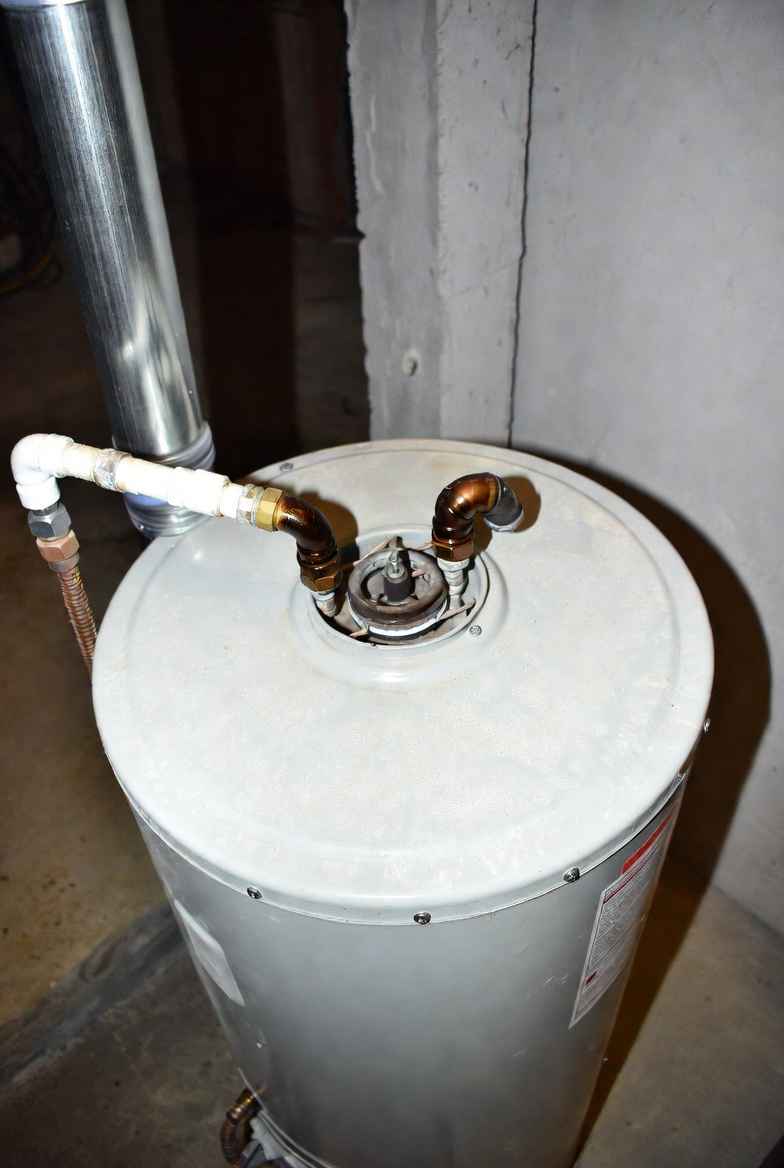
A metallic taste that appears only in the hot tap most often comes from the water heater or components heated by the tank (anode rod, tank lining, or nearby fittings). To confirm, collect a hot-only water sample right after the heater cycles and compare it with cold water from the same fixture.
Why This Happens
- Hot water speeds chemical reactions and can leach metals from anode rods, sacrificial components, or corroding tank linings. That makes a metallic or metallic-bitter taste show up only on the hot side.
- Stagnant hot water that sits in the tank between heating cycles can concentrate dissolved metals or create oxidation layers that affect taste.
- Fixture-level problems (mixing valves, cartridges, or soldered fittings on hot lines) will affect hot water only and can mimic a heater problem.
- Changes to plumbing or winterization work sometimes produce similar tastes; see **Taste after installing new pipes** and **Metallic taste after winterization** for related situations.
Step-by-Step What to Do
Step 1 — Collect and compare samples
- Wait for the heater to complete a normal cycle (so the tank has recently heated and refilled).
- Run a small stream of cold water into a clean glass and set aside.
- Immediately run only hot water from the same faucet into another clean glass. This is your hot-only sample. Label both and compare taste, smell, and color.
- If the metallic taste is present only in the hot sample, the issue is likely limited to the hot plumbing or heater.
Step 2 — Isolate the source at the fixture
- Remove the aerator and run hot water. If the taste disappears, clean or replace the aerator.
- Test other hot fixtures in the house. If only one fixture shows the taste, the problem is local to that fixture or its immediate hot-run piping.
Step 3 — Flush the water heater
- Turn off electrical power to an electric heater, or set a gas heater to pilot/stop following the manufacturer’s guidance.
- Open the drain valve and flush several gallons through until the outflow runs clear. This can remove sediment and some oxidized material that affects taste.
- Refill and restore power. Re-test hot-only water after the heater finishes a heating cycle.
Step 4 — Check the anode rod and tank condition
- Have a qualified technician inspect the anode rod and the tank lining if flushing did not help. A heavily corroded anode or failing liner can cause persistent metallic taste.
- Replacing the anode rod is a common fix, but a pro can advise whether that will address the taste or if tank replacement is needed.
Step 5 — Test the water
- If you still see a metallic taste in hot-only samples, get a lab test for metals (iron, copper, lead). Provide both hot and cold samples so results are comparable.
- Contact your local water utility if the cold water also shows elevated metals — that points to source-water or supply-line issues rather than the heater.
What Not to Do
- Do not replace the water heater before isolating whether the heater or a fixture is the hot-only source.
- Do not add bleach or other chemicals to the tank without professional advice — that can damage components and create unsafe byproducts.
- Do not ignore the issue if taste is strong or accompanied by discolored water — it could indicate significant corrosion or contamination.
When to Call a Professional
- If flushing and simple fixture checks don’t remove the taste, have a plumber inspect the anode rod and tank interior.
- Call immediately if you find rust-colored water, leaks, or a rotten-egg smell (possible hydrogen sulfide or bacterial activity) or if you suspect lead or elevated copper in lab results.
- If the heater is gas-powered and you suspect working on it may be needed, call a licensed technician rather than attempting gas service yourself.
Safety Notes
- Always shut off power to an electric water heater and follow the manufacturer’s instructions before doing any work on the unit.
- For gas heaters, turn off the gas and contact a qualified technician for internal inspections or repairs.
- Hot water can scald. Let water cool before collecting samples if you are unsure, and avoid direct skin contact when flushing or draining the tank.
- Wear gloves and eye protection when removing aerators or working near valves. If you smell gas, evacuate and call your utility or emergency services.
Common Homeowner Questions
- Is metallic-tasting hot water dangerous? Short answers: Usually unpleasant but not immediately dangerous; get water tested if the taste is strong or persistent.
- Will boiling hot water remove the metallic taste? No. Boiling will not remove dissolved metals and can concentrate them.
- Can a water softener cause a metallic taste in hot water? Sometimes—softener settings and reactions with heater components can change taste; test hot and cold samples to compare.
Related Articles
If you’re troubleshooting a similar symptom, these guides may help:
For the full directory, see Metallic Taste, Copper Taste, or “Pennies” Smell.