Quick Answer:
A sulfur or “rotten egg” odor coming from the hot tap is usually hydrogen sulfide gas. It often forms in a water heater when bacteria react with sulfate in the water or when the anode rod corrodes. Before doing anything invasive, check whether the smell is coming from the hot supply alone and collect samples to compare.
Why This Happens
There are two common causes you’ll see at home:
- Bacterial activity in the warm, oxygen-poor environment of a heater tank can produce hydrogen sulfide (H₂S). It smells like rotten eggs at very low concentration.
- Some anode rods (especially magnesium) can react with sulfate in water and make the smell worse. Well water is more likely to carry sulfate and bacterial content than treated city water.
If the smell appears in cold taps too, the source is likely in the incoming water, not the heater. For that situation, see Sulfur smell only in cold water for troubleshooting that focuses on the supply rather than the heater.
Step-by-Step What to Do
1. Confirm whether it’s hot water only
- Run cold water from the same faucet for 30 seconds and smell. If the cold water smells, the problem may be upstream of the heater.
- Run only hot water from the faucet (avoid mixing). Wait until the water is fully hot, then collect a sample in a clean glass and smell it.
2. Collect samples and compare
- Collect hot-only water in a clean glass and compare odor before and after heater cycles. Take one sample after you first turn on hot water and another after you’ve run hot water several minutes or after the heater has completed a full heating cycle (for example, after a period of no hot water usage so the tank refills and reheats).
- If the first sample smells strongly but later samples don’t, the odor may be from standing water in the pipes or the top of the tank rather than a continuous source.
3. Try simple fixes
- Flush the hot side of the plumbing: run hot water from a few fixtures for several minutes to clear pipe water.
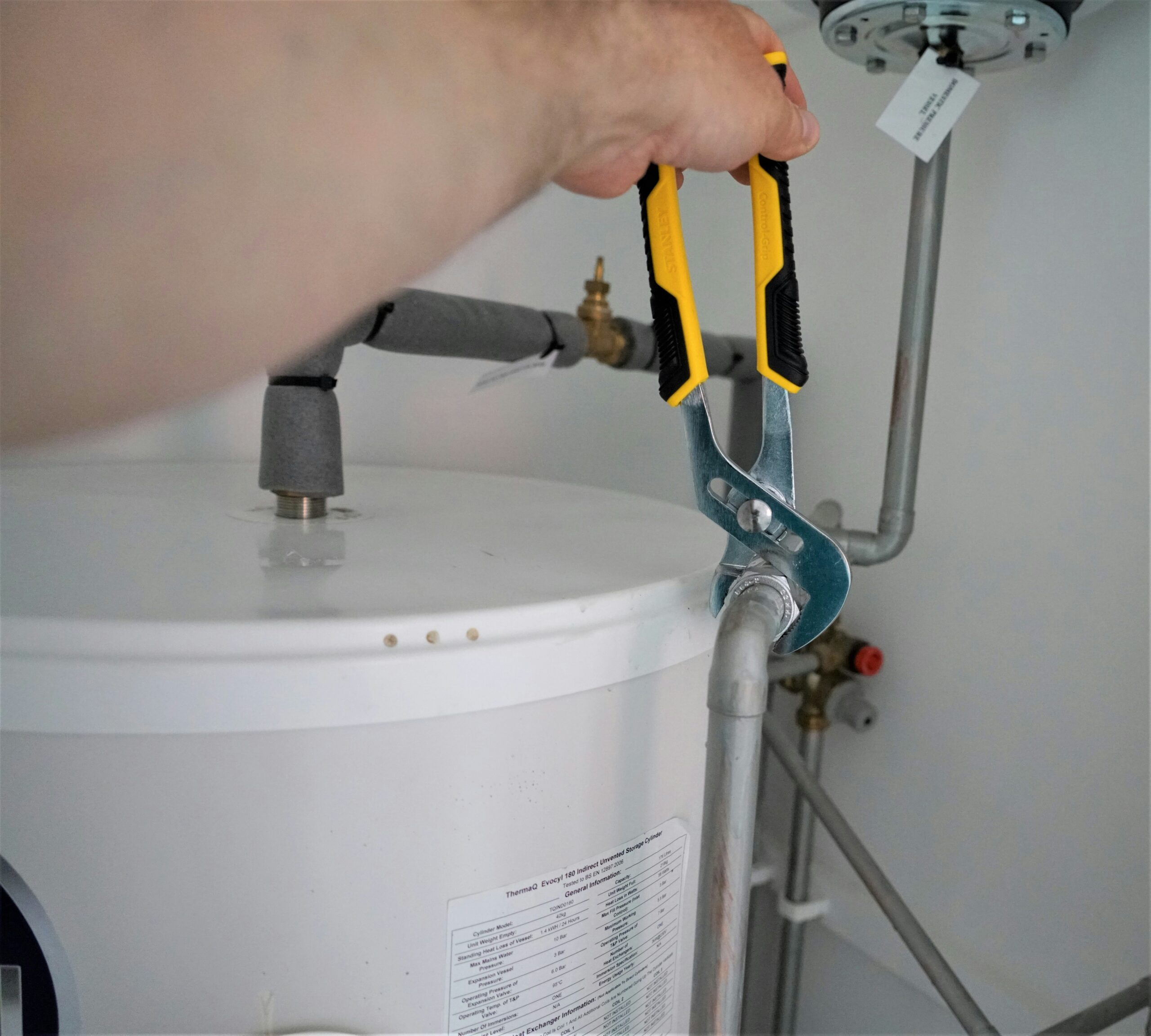
- If you have a sacrificial anode rod and you’re comfortable with basic plumbing, inspect or replace it—magnesium rods are more likely to create odor; switching to an aluminum/zinc rod can help. If you’re unsure how to do this safely, call a pro.
- For persistent bacterial odors, a shock chlorination of the tank and distribution system can be effective. This should be done carefully and typically by someone experienced or a plumber.
What Not to Do
- Do not drain the heater before confirming hot-only odor.
- Do not attempt major repairs on a gas or electric heater without shutting off power or gas and knowing local code requirements.
- Do not mix household chemicals (for example, bleach and ammonia) when cleaning or disinfecting plumbing.
When to Call a Professional
- If the odor is strong and persistent after flushing and simple fixes, call a licensed plumber to inspect the tank and anode rod and advise on disinfection.
- Call if you suspect contamination of the supply (especially with well water) or if multiple fixtures smell the same.
- If the smell appears only from a single bath or floor and not others, consider a localized issue and professional help—see Smell only in upstairs bathroom for troubleshooting focused on one area.
Safety Notes
- Avoid scalds: always check water temperature before testing by hand or face.
- Turn off power or gas to the water heater before attempting internal inspections or repairs. If you are not comfortable doing that, hire a pro.
- Handle disinfectants like bleach carefully: follow label instructions, ventilate the area, and do not mix chemicals.
Common Homeowner Questions
- How long will a heater fix take? Simple flushing or anode replacement can be a few hours; chlorination and verification may take a day or more.
- Is the smell dangerous? At low levels the smell is unpleasant but not usually dangerous; high concentrations of H₂S are hazardous—evacuate and call emergency services if you smell strong gas and feel sick.
- Can I fix this myself? You can try flushing and collecting samples yourself, but tank disinfection or anode replacement may be best handled by a plumber if you’re unsure.
For more related articles, see the Sulfur / Rotten Egg Smell in Water hub.