Quick Answer:
Most often the tiny particles rising in a glass are air bubbles, not pieces of sediment. Tap the glass to release bubbles and confirm if it is air. If the cloudiness clears quickly or the bubbles pop, it’s usually harmless. If material remains or appears in multiple fixtures, investigate further.
Why This Happens
- Water can trap air when pressure changes, when a system is refilled, or after work on pipes. That air forms small bubbles that cling to the sides of a glass and rise slowly.
- Temperature changes (cold water warming in a room) cause dissolved gases to come out of solution as bubbles.
- Recent plumbing work or a water heater refill can stir up both air and real mineral flakes or particles. If you recently worked on the heater, you may also notice White particles after water heater refill in other fixtures.
Step-by-Step What to Do
Step 1 — Tap and Observe
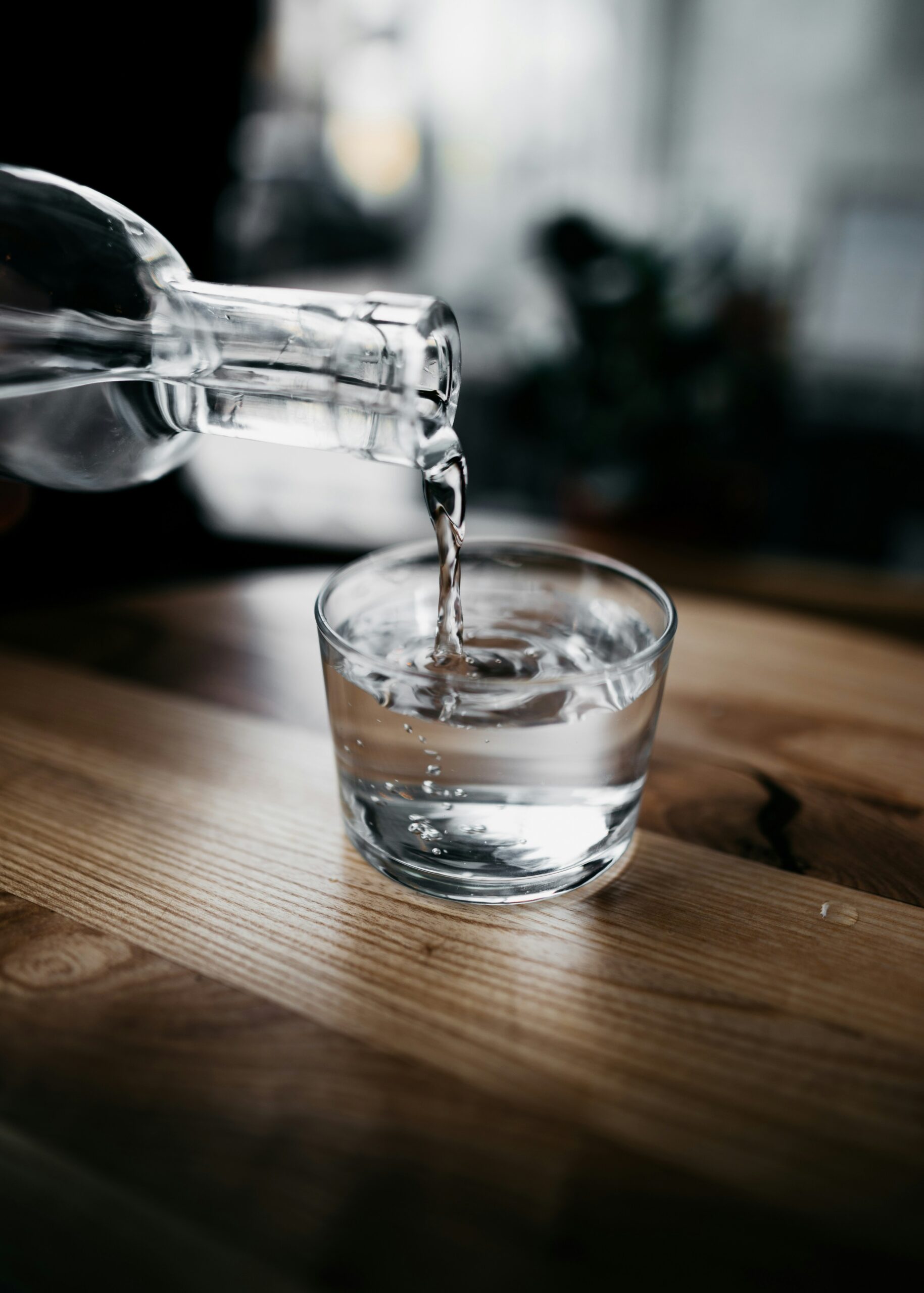
Tap the glass to release bubbles and confirm if it is air. If the cloudiness disperses and separate bubbles form and rise, the issue is almost certainly air.
Step 2 — Let it Sit
Set the glass down and watch for a minute. Air bubbles will gather and float to the top and disappear. Sediment or mineral particles will settle to the bottom or remain suspended without the popping behavior of bubbles.
Step 3 — Compare Other Fixtures
Run water in another tap or fill a second clear glass. If only one glass shows bubbles after being filled, it’s likely an isolated aeration effect. If you see flakes or residue in the toilet or other drains, check for real solids — for example, issues that produce White flakes in toilet bowl are different from aeration and need attention.
Step 4 — Consider Recent Work
If pressure changes, recent repairs, or a heater refill happened, allow time for trapped air to clear. Run cold water for a minute or two at a sink to flush the line if needed.
Step 5 — When You’re Unsure
If particles persist or the water smells or is discolored, collect a small sample in a clear container and keep it for a professional to inspect. Do not taste the water to test for contaminants.
What Not to Do
- Do not treat air bubbles as sediment.
- Don’t assume every cloudiness is contamination — rushing to chemical treatments or aggressive flushing can be unnecessary.
- Avoid tasting or drinking questionable water to determine safety.
When to Call a Professional
- Particles remain after aeration and flushing, or you see visible solids in many fixtures.
- Water is discolored (brown, yellow) or has a strong odor.
- There is reduced flow, persistent pressure issues, or you suspect mineral buildup or a failing water heater.
Safety Notes
- Do not taste water to test for contaminants. If you suspect contamination, contact your water supplier or a licensed plumber.
- Handle collected samples carefully and label them with date and source location.
- If anyone in the household is immunocompromised, err on the side of caution and seek professional testing sooner rather than later.
Common Homeowner Questions
- Why do bubbles form only in one glass? Small differences in how the glass was filled, its temperature, or tiny surface imperfections can make bubbles cling in one glass and not another.
- How long will the bubbles last? Usually they clear in seconds to a few minutes after filling or after running the tap briefly.
- Could this damage my plumbing? Air bubbles themselves are not harmful; persistent particles or sediment could indicate an issue that may require attention.
For more related articles, see the White Particles, Cloudy Water, or “Milky” Water hub.
For more related articles, see the After-Shutoff / After-Repair Water Quality Issues hub.