Quick Answer:
Seeing milky or cloudy water when you turn plumbing back on after winter work is common. Often it’s trapped air or dissolved gases that leave the water opaque for a short time. Do a few simple checks (glass test, hot vs cold, aerators) to confirm. If the cloudiness doesn’t clear, shows color, leaves residue, or affects several fixtures, have a plumber test the system safely.
Why This Happens
- Trapped air: When lines are drained or refilled, tiny air bubbles can stay suspended and make water look white or cloudy.
- Temperature and pressure changes: Cold water holds more dissolved gas; when pressure or temperature shifts the gas can come out of solution as microbubbles.
- Mineral particles or rust: Disturbing pipes during winter work can loosen scale or rust, which can cloud or tint water.
- Residues from winterizing: If someone used products in the plumbing lines, small residues may cause cloudiness or separate out; if that’s a possibility, get a professional check.
Step-by-Step What to Do
Step 1 — Glass test
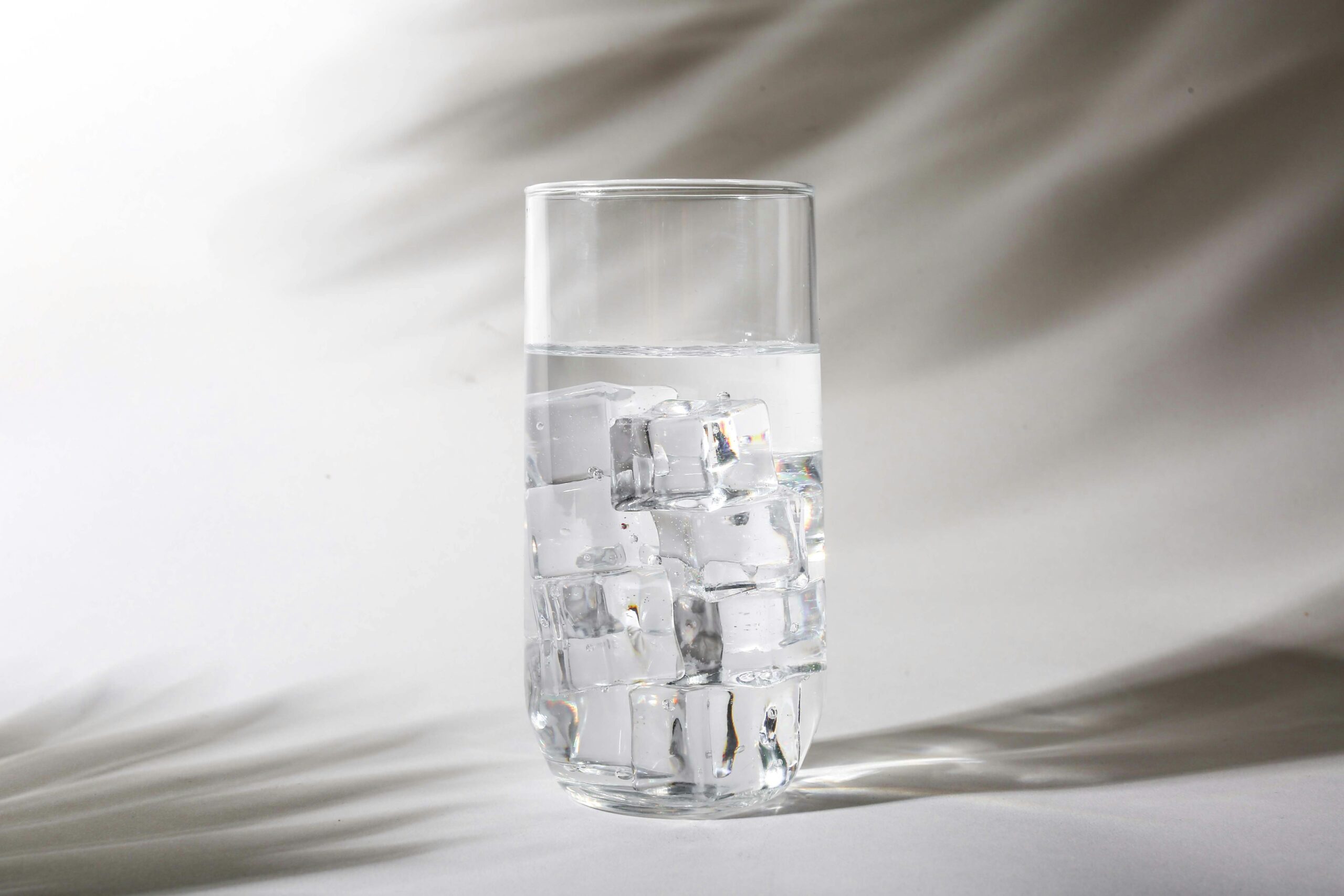
Fill a clear glass with water from the affected tap and set it on a counter. Watch it for a minute. If the cloudiness rises and the water clears, that usually means tiny air bubbles are dissolving out of the water. This is a good first screen.
If you see Cloudy water that clears after a minute, you can be reasonably confident the cause is air and not a contaminant.
Step 2 — Compare hot and cold taps
Try the same test with both hot and cold water. If only hot water is cloudy it points toward the water heater or its connected lines; if only cold, the source is upstream or the supply. Cloudiness only in one fixture suggests a local issue.
Step 3 — Check aerators and screens
Unscrew the faucet aerator and look for white specks, flakes, or sediment. Clean the screen and run the tap again. Small particles in the aerator can make the flow appear cloudy or leave visible residue on glassware. See if you notice White specks clogging aerators when you inspect them.
Step 4 — Run a short test flow
Open the cold tap for 30–60 seconds and see if the water clears. Running water can push trapped air out of lines. Do this once or twice, but do not repeatedly flush the water heater or run long, aggressive flushing without guidance.
Step 5 — Check multiple fixtures and note any changes
Test several taps, including outside faucets if present. If cloudiness appears at many locations or after a few minutes of running it does not clear, note the pattern and call a professional to test water quality and inspect the system.
What Not to Do
- Don’t assume all cloudiness is harmless air — if it’s colored, leaves residue, or tastes/ smells odd, treat it as a potential problem.
- Don’t start flushing the heater repeatedly; aggressive or repeated heater flushes without knowing the cause can waste water and may mask a real issue.
- Don’t use chemical cleaners or additives in the plumbing as a quick fix. If cloudiness persists or leaves residue, have a plumber inspect the system.
When to Call a Professional
- If the cloudiness affects multiple fixtures at once.
- If the water is discolored (brown, yellow, pink) or leaves visible residue on glassware.
- If there is an unusual taste or odor after the tests above.
- If you suspect antifreeze or other winterizing materials were left in the lines.
- If you prefer a safe confirmation: a plumber can test for gases, minerals, rust, or contaminants and trace the problem to the heater, supply, or fixtures.
Safety Notes
- Do not drink or use water for cooking if it tastes or smells strange, or if it contains visible particles that do not settle.
- If you suspect chemical contamination (including antifreeze), stop using the water and contact a professional immediately.
- Use bottled water for drinking and food preparation until you are confident the supply is clear and safe.
Common Homeowner Questions
- Is this dangerous to drink?
If the cloudiness clears in a glass within a minute it’s usually just air and not harmful; if it doesn’t clear, is discolored, or tastes/ smells off, avoid drinking and call a pro. - How long will it take to clear?
Air-related cloudiness often clears in seconds to a minute after standing or after a short run of water; persistent cloudiness needs inspection. - Should I flush the water heater?
Don’t start repeated flushing on your own. If the problem points to the heater, have a plumber inspect and follow manufacturer guidance for safe maintenance.