Quick Answer:
Cloudy or milky water that clears from the bottom up within a minute is usually tiny air bubbles or mineral clouding that dissipates quickly. Try a simple glass test and a few quick checks to confirm. If the cloudiness does not clear, leaves residue, or shows up at more than one faucet, call a plumber to test the source safely.
Why This Happens
- Air in the line: Air trapped in the pipes forms tiny bubbles that look like milk and rise to the top, clearing from the bottom up as the bubbles escape.
- Mineral content: Hard water with dissolved calcium or magnesium can make water look cloudy when temperature or pressure changes cause minerals to come out of solution.
- Water heater or plumbing work: Recent work on a heater or new pipe sections can introduce air or loosen mineral deposits. See White particles after water heater refill and White buildup after pipe replacement for related situations a plumber may check.
Step-by-Step What to Do
1. Do the clear glass test
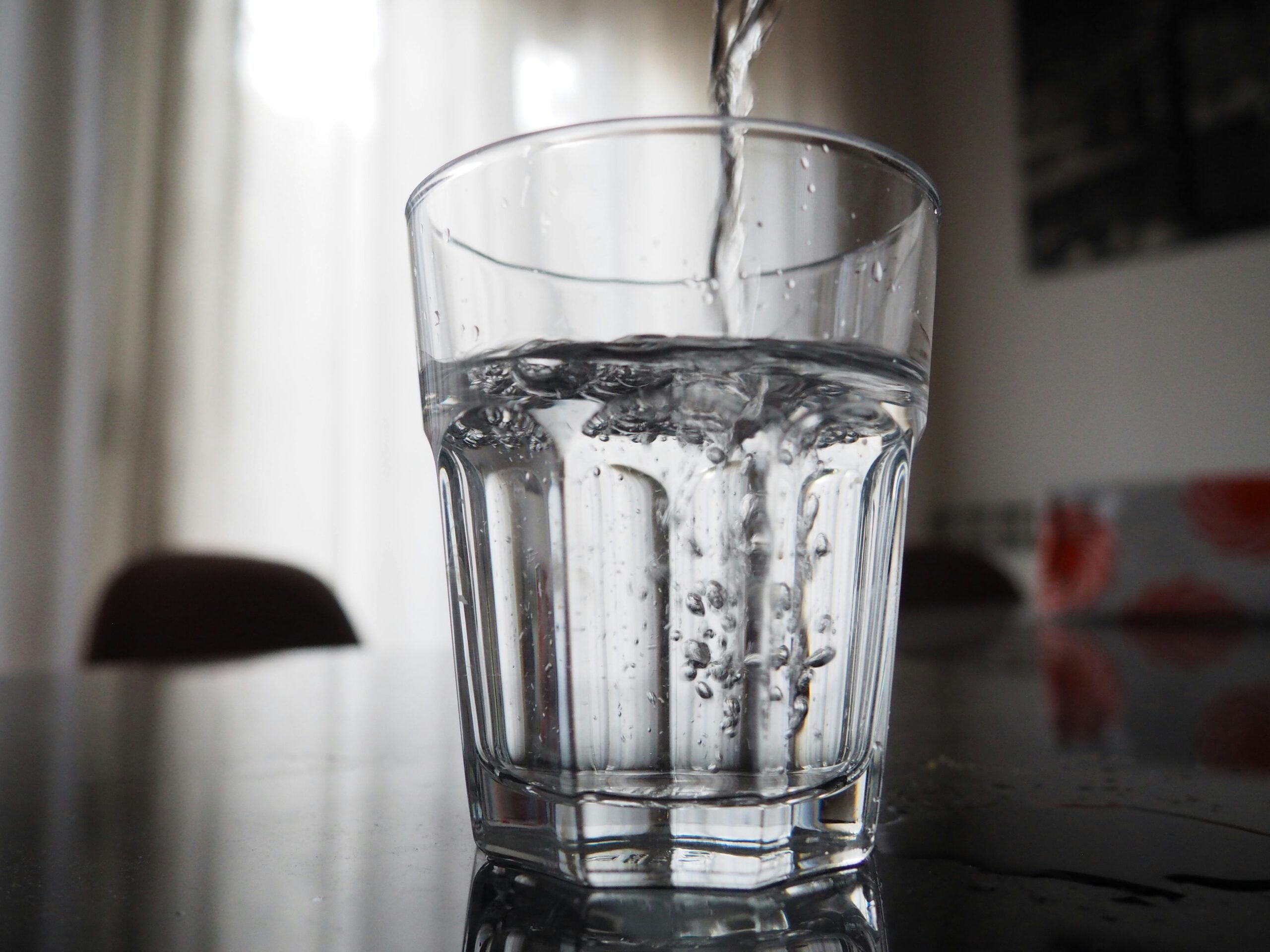
Fill a clear glass from the suspect tap and set it on a level surface. Watch for a minute. If the cloudiness rises and the glass clears from the bottom up, that points to air bubbles rather than contamination.
2. Compare hot and cold taps
Open the cold tap, then the hot tap, and pour two glasses side by side. If the hot water is cloudy but cold is clear, the water heater or its connections are more likely involved. If both are cloudy, the issue is upstream of the heater or in the supply.
3. Check other fixtures
- Try a faucet on a different floor or outside spigot. If cloudiness appears only at one fixture, that fixture or its aerator may be the cause.
- If multiple fixtures show the same cloudiness, treat it as a plumbing- or supply-wide issue and consider professional testing.
4. Inspect aerators and screen filters
Unscrew the aerator on the affected faucet and look for white specks, sediment, or mineral flakes. Clean the aerator and run the tap again to see if clarity improves.
5. Run a brief cold-water rinse
Let a cold tap run for 30–60 seconds and check again. Short runs can clear trapped air or loose sediment. Do not repeatedly flush the heater as a DIY fix; persistent issues need a professional look.
What Not to Do
- Don’t assume all cloudiness is harmless air — persistent cloudiness or residue can be mineral buildup or a sign of another problem.
- Don’t start flushing the water heater repeatedly or perform major heater maintenance yourself; that can cause damage or safety hazards.
- If cloudiness persists, leaves a white residue, or affects multiple fixtures, have a plumber inspect and test the system rather than guessing or using repeated aggressive DIY methods.
When to Call a Professional
- The cloudiness does not clear after a minute in the glass test.
- White flakes, gritty residue, or settled deposits appear after water settles.
- Multiple fixtures across the house are affected or the problem started after plumbing work or a heater refill.
- You want a confirmed water quality test or a plumber to inspect the heater, pressure system, or newly replaced pipes.
A qualified plumber can safely collect samples and run simple tests to distinguish air, minerals, or contamination and recommend the correct repair.
Safety Notes
- If water smells off, is discolored, or you have health concerns, stop using it for drinking and contact your water supplier or a plumber for testing.
- Avoid performing complex repairs on water heaters or main lines yourself. Those require specialized tools and safety procedures.
- When collecting a sample for a professional, use a clean, clear container and label whether the sample is from hot or cold and which fixture it came from.
Common Homeowner Questions
- Is it safe to drink? If the cloud clears quickly and there’s no smell or residue, it’s typically safe, but avoid drinking if you’re unsure and get the water tested.
- Will this damage my pipes? Brief air bubbles or normal mineral content usually won’t harm pipes. Persistent mineral buildup may need professional cleaning or treatment.
- How long should it take to clear? Most air-related cloudiness clears within 30–60 seconds in a settled glass; anything longer warrants further checks or a plumber visit.