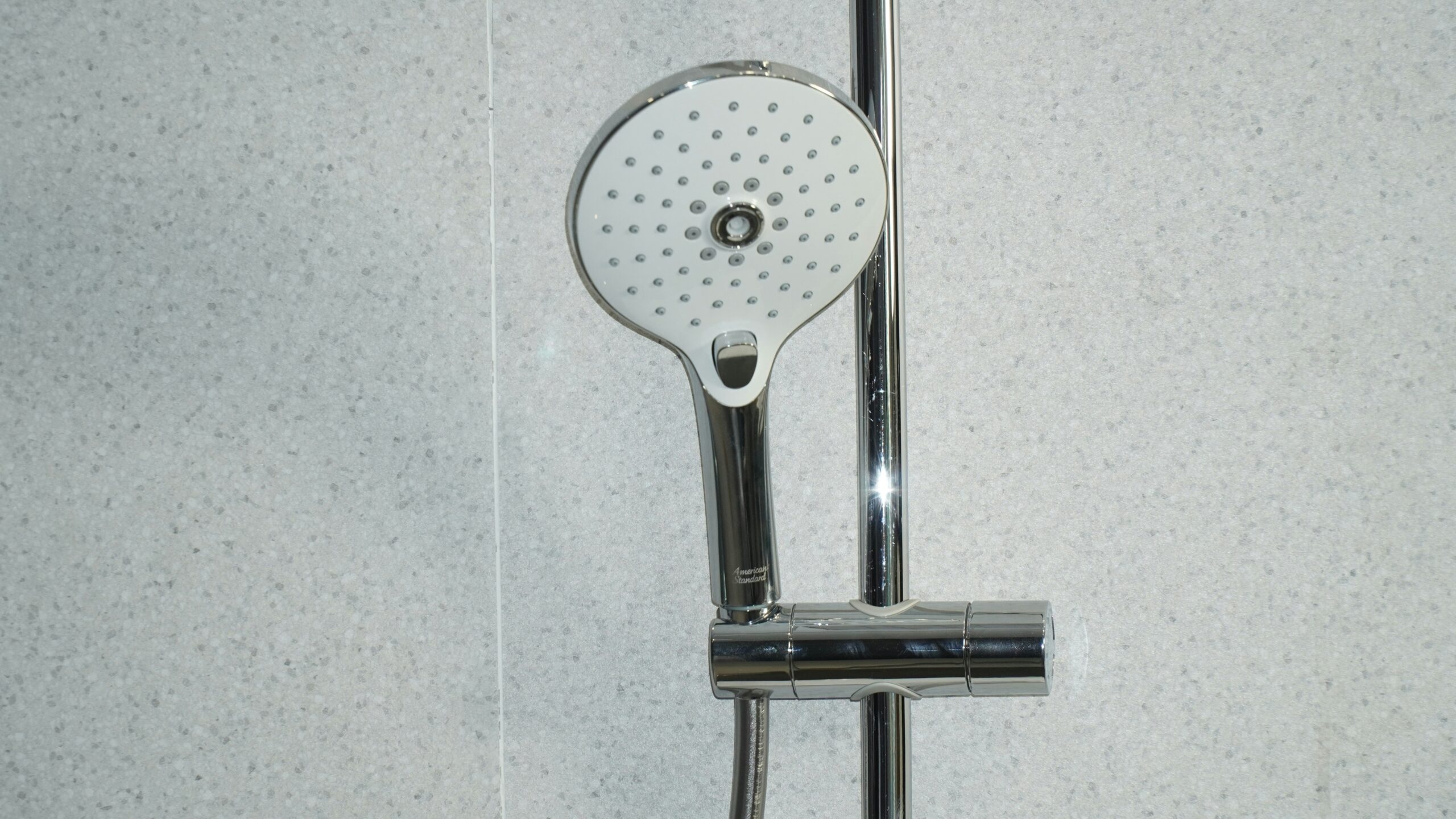
Check for an emergency first
If you smell fuel gas or suspect a gas leak, leave the building or affected area immediately and take others with you. Do not operate switches, plugs, phones, appliances, thermostats or valves in the affected area, light flames, or stay to ventilate or investigate. From a safe location well away, call the local gas emergency service or emergency services. Do not re-enter until responders say it is safe. Plumbing checks and normal maintenance must wait.
For a new, unexplained water-quality change: do not deliberately taste the water. Use bottled water or another known-safe supply for drinking, food preparation, teeth brushing and ice while you contact the supplier. Follow the actual local notice for other uses. Boiling does not make chemically contaminated water safe, and clear appearance or a fading odor does not certify safety.
Brief shower sputter after a water shutoff can be supply air leaving the pipes, but persistent sputter, leakage or a new water-quality change needs checking. Follow the actual restoration notice and fixture instructions. A universal lowest-to-highest hot-water purge, several-minute timer or hand temperature test is not required to diagnose every case.
Useful details to record
- Who shut off the service and the supplier or installer’s restoration instructions.
- Whether several cold fixtures are affected or the symptom appears only at this shower or on hot use.
- Any continuing leak, severe banging, abnormal water quality or heater work.
What the pattern can tell you
- Several fixtures sputter just after restoration. Supply air may be relevant; use the supplier’s specific cold-water flushing path where permitted.
- Other supply points are normal but the shower persists. The actual shower head, valve or local supply needs assessment; do not assume a house-wide air pocket.
- Hot-side symptoms follow heater service. Check the actual heater’s fill and restart requirements rather than repeatedly running an unidentified hot-water system.
What to do next
- Check for a service notice or use restriction first. Denver Water’s example directs cold-water flushing through a suitable bathtub outlet or outside spigot; other suppliers and installations may require different steps. Use an outlet that can drain freely and remain attended.
- Open permitted controls gently under the actual instructions and keep clear of unpredictable spray. Do not snap the valve, leave it running unattended, use your hand as a hot-water temperature test or continue if leakage, severe banging or a backup appears.
- If the problem is shower-only, inspect only owner-serviceable parts under the actual model instructions with the required safe isolation. Do not remove a pressurized cartridge or mixing valve, change heater settings or adjust a regulator by guesswork.
- Contact the supplier for ongoing whole-home supply symptoms and a plumber for persistent local or hot-side behavior, new leaks or severe repeated banging. Record the scope and timing; clear flow alone does not certify water quality.
Does sputtering prove the pressure regulator failed?
No. It is a symptom with several possible contexts. A regulator should be assessed using the actual installation and evidence, not replaced or adjusted because a shower sputters after service work. Follow the restoration directions first where conditions permit.
Related situations
- faucet spitting air
- Air in Pipes After Shutoff
- Why Your Bathtub Faucet Is Spitting Air After a Water Shutoff
- Air coming from showerhead
For common shower and bathtub questions and the existing symptom directories, browse Shower & Bathtub Water Delivery.