Quick Answer:
A sharp whistling or squealing when the shower runs usually means water is being forced through a partial restriction or a worn part inside the valve. Start by turning the shower on cold then hot to see which side makes the sound, listen at the trim plate to localize the noise, and compare slow versus fast handle movement. If the sound continues after those checks, a plumber can safely pinpoint the exact restriction and repair it.
Why This Happens
High-pitched noises come from fast-moving water hitting a narrowed passage, a loose component, or an internal washer or cartridge that is worn or misaligned. If the sound appears only when one side is open, that side’s supply or mixing passage is the likely cause. For situations like Whistling only on cold water, buildup in the cold line, a cold-side pressure issue, or a failing cartridge seal are common culprits. Mechanical vibration or a partially closed shutoff can also make a sharp sound.
Step-by-Step What to Do
1. Turn the shower on cold then hot to isolate which side is noisy
- Open the handle fully to cold and listen. Note whether the noise is present and how loud it is.
- Switch fully to hot and listen again. If the noise is only on one side, you’ve narrowed the source.
- If the valve mixes hot and cold and the noise is only during mixing, the cartridge or mixing pathway is likely involved.
2. Listen at the trim plate
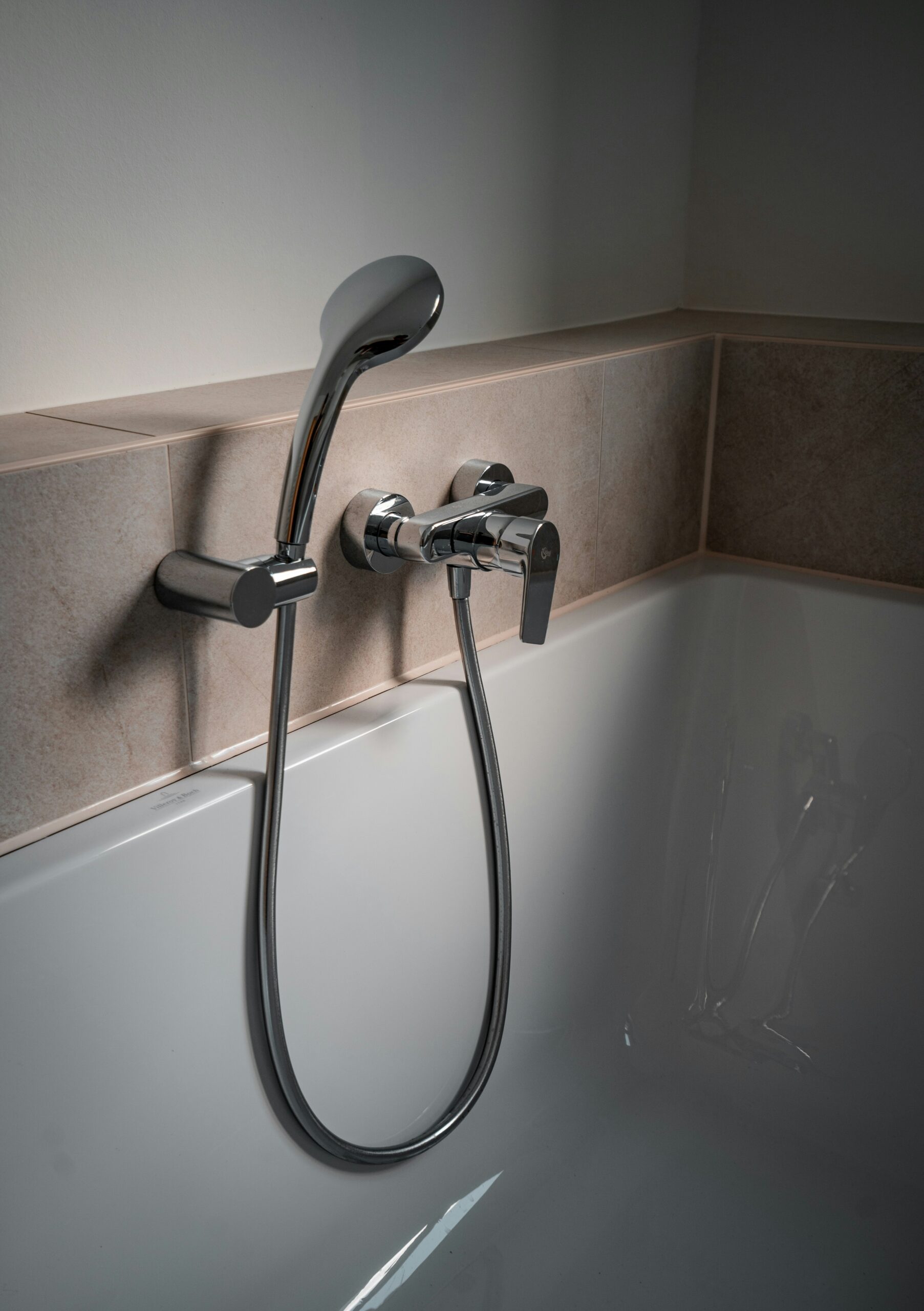
- Stand close to the shower and press your ear near the trim plate (the visible escutcheon). This helps determine whether the noise comes from the valve body behind the wall or from the supply lines further away.
- If you hear the sound strongly at the trim plate, it likely originates in the valve area. If it’s louder farther from the valve, a supply line, shutoff, or pressure regulator may be involved.
- Avoid removing the trim if you aren’t comfortable—listening first gives good diagnostic clues.
3. Compare slow versus fast handle movement
- Move the handle slowly through its range and listen for when the noise starts or stops. A noise that appears only at a certain handle position suggests an internal passage or cartridge slot is creating the restriction.
- Move the handle quickly and note any change. If the noise changes with handle speed, it points to a part that vibrates or a pressure-related issue.
- Record what you find to tell a plumber if you call one.
What Not to Do
- Don’t remove shower cartridges or internal parts without first isolating whether the noise is from the hot or cold side. Removing parts before isolating can increase risk and make diagnosis harder.
- Don’t cut into or pry away tiled walls yourself. Tiled walls are safer handled by a plumber or tile professional who can open the wall without causing extra damage.
- Don’t attempt major valve work if you don’t have the right tools and confidence—incorrect reassembly can lead to leaks or scalding risks.
When to Call a Professional
If the noise persists after the basic checks above, or if you find the sound comes from inside the valve body, call a licensed plumber. A professional can:
- Isolate supplies, measure pressure and flow, and test the valve safely.
- Remove and inspect cartridges or internal parts without damaging the surrounding tile or trim.
- Address related issues such as a failing pressure regulator, worn cartridge, or supply-line problem that may not be obvious from surface checks—this includes similar situations like High-pitch noise when filling bathtub.
A plumber can pinpoint the exact restriction and perform repairs with the correct parts and tools.
Safety Notes
- Beware of scalding: when testing hot water, move slowly and be ready to shut off if temperature gets too high.
- Turn off the main water or local shutoffs before attempting any internal valve work. If you’re unsure where shutoffs are, stop and call a plumber.
- If you must remove trim to listen, cover sharp edges and keep the workspace dry to avoid slips and electrical hazards from nearby devices.
Common Homeowner Questions
- Is the noise dangerous?
Not usually dangerous by itself, but it can indicate a failing part that will worsen or cause leaks if ignored. - Can I fix it myself?
Simple checks (cold vs hot, listening at the trim, handle-speed test) are safe for most homeowners. Replacing internal parts is best left to a plumber unless you have experience. - Will it get worse if I wait?
Possibly. Restrictions and worn parts can deteriorate, causing louder noise, reduced flow, or leaks over time, so don’t ignore a persistent sound.
For more related articles, see the Whistling or Screeching Noises in Pipes hub.