Quick Answer:
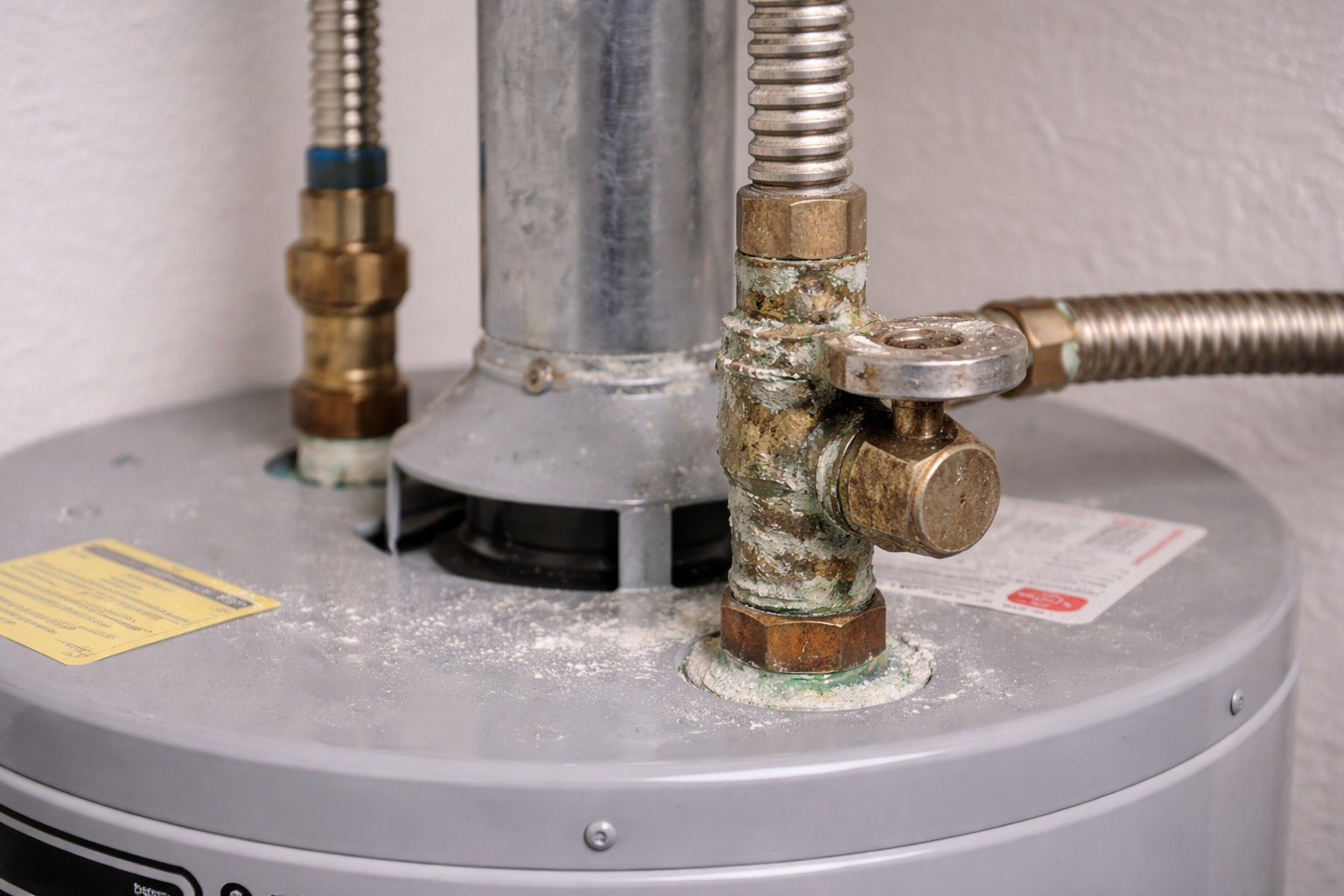
If cold-water pressure is normal but hot is weak everywhere, the problem is most likely on the hot side of your plumbing system — commonly the water heater, a hot-side valve or mixing device, or sediment blocking hot outlets. Start by measuring supply pressure at an exterior hose bib to confirm the main supply is healthy, then isolate the water heater and related components and flush the hot system as needed before replacing parts.
Why This Happens
- Sediment or mineral buildup in the water heater can block the hot outlet or plumbing lines, reducing flow.
- Partially closed or failed hot-side valves, mixing valves, or check valves can restrict hot flow while leaving cold flow unchanged.
- Problems with a recirculation pump or thermostatic mixing valve at the heater can reduce hot pressure to the whole house.
- Rarely, changes at the service entry — for example work on the main valve or a new regulator — can create issues that show up on the hot side. See Low pressure after main valve replacement and Pressure low after installing pressure regulator for related troubleshooting steps.
Step-by-Step What to Do
1. Measure supply pressure at a hose bib
- Attach a water-pressure gauge to an exterior hose bib or laundry faucet (use a simple screw-on gauge available at hardware stores). Note the pressure with no taps running; typical home pressure is roughly 40–70 psi.
- If that reading is normal, the municipal/service supply is likely fine and the issue is on the hot side inside your house.
2. Compare cold vs. hot flow at fixtures
- Open a laundry or kitchen faucet and measure cold flow first, then hot flow. If cold is strong and hot is weak, concentrate on the water heater and hot-side valves.
- Check multiple fixtures to confirm the problem is system-wide and not a single fixture.
3. Isolate main components
- Locate and identify valves you can close: house main shutoff, pressure-reducing valve (if present), water heater inlet shutoff, and any mixing or check valves. Close and open these in a controlled way to see where pressure changes occur.
- To test the heater, shut off the cold inlet to the water heater (and shut off power or gas first — see Safety Notes), then open a hot faucet. If hot flow stops or changes, the heater or its valves are implicated.
- If you have a whole-house mixing valve or recirculation loop, temporarily bypass or shut the loop per manufacturer guidance to test pressure change.
4. Flush the water heater and hot lines appropriately
- Turn off the heater’s power (electric) or set gas control to pilot/off before draining.
- Attach a hose to the tank drain and drain a few gallons until water runs clear to remove sediment. For stubborn deposits, brief repeated flushes may help. Do not fully disconnect gas or electrical components while the tank is hot unless you are following safe shutdown steps.
- After flushing, refill the tank, restore power/gas, and recheck hot pressure and flow.
- Also run a few minutes of hot water from multiple fixtures after the flush to clear hot-line sediment.
5. Check and service valves or devices
- Inspect stop valves on the water heater inlet/outlet, any thermostatic mixing valves, pressure-reducing valves, and check valves. Replace or service items that are seized or visibly damaged.
- If you suspect a failed mixing valve or recirculation pump, test by isolating or bypassing them and measuring hot-side pressure again.
What Not to Do
- Do not immediately replace fixtures without verifying service entry issues. Replacing faucets or showerheads before checking the heater and main hot-side components wastes time and money.
- Do not drain or service a water heater without first turning off power or gas and following the manufacturer’s instructions.
- Do not use harsh chemical flushers in the tank or lines unless the product is designed for your heater type and you follow safety instructions.
When to Call a Professional
- Call a licensed plumber if you cannot isolate the issue, if closing valves or bypassing components is unclear, or if you find leaks or corrosion at the heater or main piping.
- Call a water-heater technician if the heater has age-related failures, if flushing does not restore pressure, or if you suspect internal blockage or valve failure inside the tank.
- If gas connections, relief valves, or electrical wiring are involved, hire a professional rather than attempting repairs yourself.
Safety Notes
- Always turn off electricity to an electric water heater at the breaker before opening any component on the tank. For gas heaters, turn the gas control to pilot/off.
- Hot water can cause severe scalding. Let the tank cool after shutting off fuel before draining, and use gloves and eye protection when working with hot lines.
- Work with a helper when manipulating main shutoffs or lifting hoses. If you are unsure at any step, stop and call a professional.
Common Homeowner Questions
- Why is cold pressure fine but hot weak? — This usually points to a restriction or valve problem on the hot side, commonly the water heater or a mixing valve.
- Will flushing always fix low hot pressure? — No. Flushing often helps if sediment is the cause, but failed valves or internal heater parts may still need repair.
- Can I test this without special tools? — You can do basic flow checks and close valves yourself, but a pressure gauge for a hose bib makes diagnosis much clearer; otherwise consider a plumber.
For more related articles, see the Whole-House Low Water Pressure hub.