Quick Answer:
If several appliances start failing right after sediment enters the house — washer won’t fill, ice maker fills very slowly, dishwasher shows fill or error codes — act quickly. First, shut off the appliance water supplies and perform a controlled flush of the supply lines. Clean the appliance inlet screens, only restart units after the water runs clear, and be prepared to replace solenoids if they begin leaking after grit passes through valves. You may also want to check for visible signs like Rust flakes in plumbing in aerators or filters.
Why This Happens
- Sediment and grit in the supply line can block the fine screens at appliance inlets and in solenoid valves. That reduces flow or prevents fill cycles from completing.
- Small particles can jam solenoid valves or wear seals so that valves later leak or fail to seat properly.
- Transient corrosion or loose scale flushed from inside pipes can appear as flakes or gritty material that worsens valve and screen function.
Step-by-Step What to Do
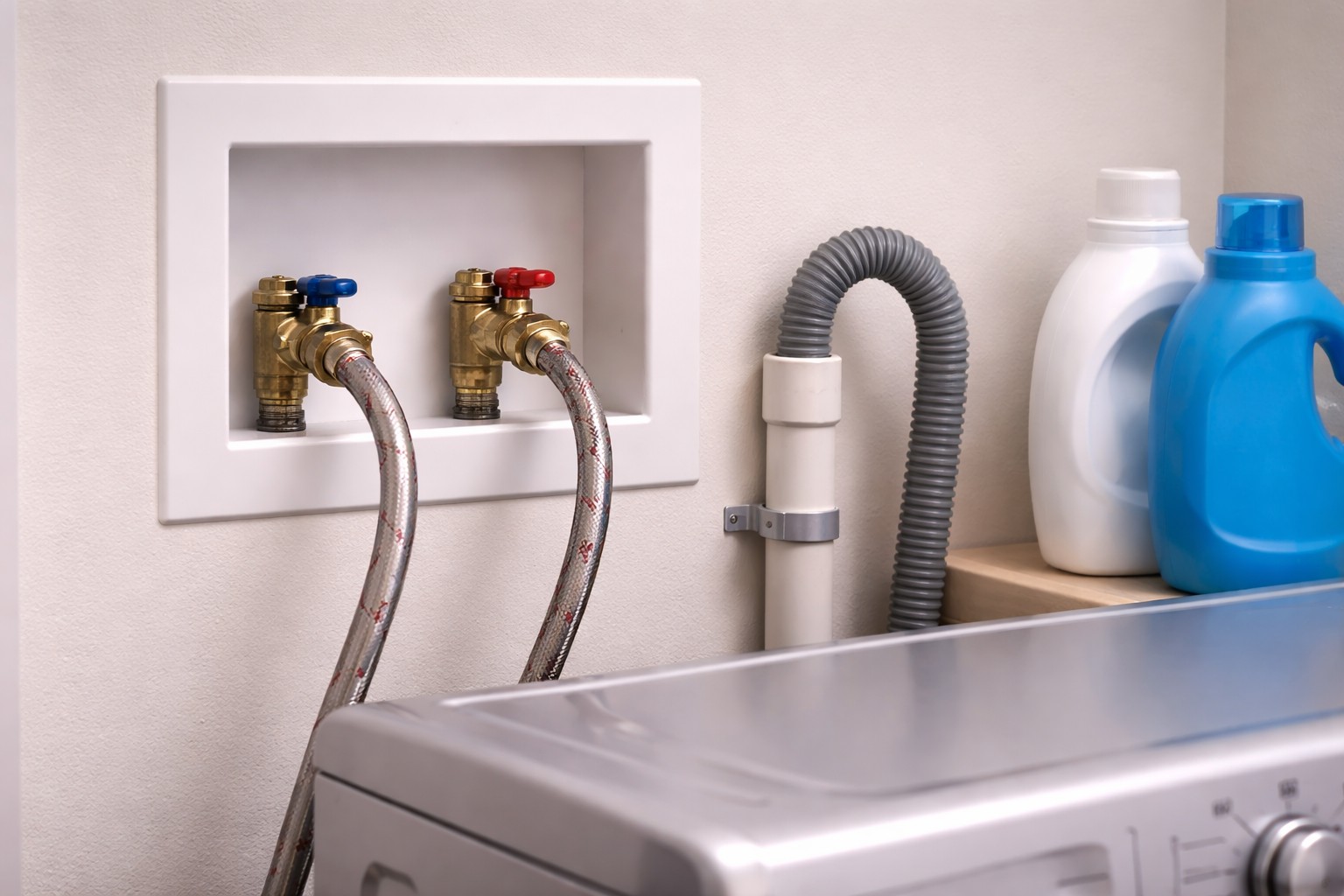
1. Shut off the appliance supplies immediately
Find the small shutoff valve behind or under the appliance and close it. If you can’t reach the appliance valve, shut off the main water supply for the house to stop more sediment from moving through the system.
2. Clean appliance inlet screens
- Disconnect hoses (laundry machine, dishwasher, ice maker) at the appliance end. Keep a bucket handy for water left in the hose.
- Remove and rinse the inlet screens or strainers. Use a soft brush and clear water. If screens are damaged, replace them before reconnecting.
3. Run a controlled flush first
- With appliance valves still closed, open a nearby faucet on the same supply to flush the line. Let it run until the water is visibly clear and free of grit.
- Do not direct unfiltered flush water into appliances — let it go to a sink or outside drain.
4. Reconnect and test one appliance at a time
- Reconnect hoses and open the appliance supply slowly. Verify steady flow at the appliance inlet before allowing a full fill cycle.
- Only restart appliances after water runs clear and inlet screens are clean. Run a short test cycle to check fill, then observe for leaks or error codes.
5. Replace solenoids or valves if they leak after grit
If a solenoid or valve begins leaking or if the appliance behaves intermittently after cleaning, the valve may be damaged by sediment. Replace the valve or solenoid assembly rather than repeatedly attempting to clean a damaged unit.
What Not to Do
- Don’t keep running appliances while they struggle to fill — shut off and clean screens first.
- Don’t try to force more flow by turning valves fully open and running appliances continuously; that can push more grit into sensitive parts.
- Don’t use harsh chemical flushes inside appliance water circuits unless the appliance maker recommends them.
When to Call a Professional
- Call a plumber if whole-house pressures drop or if flushing doesn’t clear the water and multiple fixtures show grit.
- If solenoids or inlet valves leak after cleaning, or if you’re not comfortable replacing solenoids yourself, have a pro replace and test them.
- If homeowners with smart devices see unexpected shutoffs, this could indicate Sediment causing smart shutoff trips or a flow-sensor fault — a technician can diagnose whether sediment damaged the sensor or a valve.
Safety Notes
- Turn off power to appliances before disconnecting water lines when electrical connectors or control boards are exposed.
- Wear gloves and eye protection when cleaning screens or flushing lines to avoid contact with dirty water or debris.
- Avoid working on high-voltage components; if an appliance requires control-board replacement, call a qualified appliance technician.
Common Homeowner Questions
- Why did this happen suddenly? — A disturbance in the supply (work on the mains, pipe corrosion, or a knocked sediment trap) can dislodge grit and send it into appliances.
- Can I reuse a solenoid that leaks a little after cleaning? — No. If a solenoid leaks after grit has passed through it, replacement is the safer, more reliable fix.
- Will a whole-house filter prevent this? — A properly sized sediment filter can greatly reduce future problems, but ensure the filter itself is maintained and replaced as recommended.
For more related articles, see the Sediment & Debris at Water Entry hub.